Attorney on call · 24/7 · Risk-free consultation
212 300 5196
TITLE IX DEFENSE · NATIONWIDE · RESPONDENT SIDE

The school already has a file on you.

A Title IX notice is not a conversation. It is the opening of a record that will decide whether you keep your degree, your visa, your license, and in some cases your liberty - because the same facts sit in front of a prosecutor. We defend the accused: students, faculty, athletes, and staff, in campus hearings and in the criminal courts that run alongside them.
IF YOU DO ONE THING TONIGHT
Stop writing. Do not answer the investigator, do not explain yourself to the complainant, and do not delete anything - including messages that embarrass you. Then call us. The first statement is the one that follows the case all the way to the end.
WHICH RULES GOVERN YOUR CASE The 2020 Title IX regulations. The 2024 rewrite was vacated and does not apply.
RULE TRACKER →
THE BRIEFING · TITLE IX DEFENSE FOR RESPONDENTS

A Title IX case is decided by an employee of the institution deciding whether you stay enrolled, on a standard of proof that can be as low as fifty-one percent, in a proceeding with no judge and no rules of evidence. It can end a degree, a career, a visa, or a professional license - and because the same facts often sit in front of a prosecutor at the same time, it can also end in a courtroom. This is a defense practice built for both.

What a Title IX proceeding actually is.

Title IX of the Education Amendments of 1972 bars sex discrimination in federally funded education programs. Since 2020, the regulations implementing it require covered schools to run a formal grievance process when a complaint of sexual harassment, assault, dating violence, domestic violence, or stalking is filed. That process has defined phases: notice of allegations, investigation, a period to review the evidence, a live hearing at colleges and universities, a written determination, and an appeal on limited grounds.

None of that makes it a court. There is no discovery in the litigation sense, no subpoena power, no rules of evidence, and no neutral judge - the decision-maker is a school employee or contractor. What the process does have, and what respondents consistently underuse, is a set of enforceable procedural rights. The most important are the presumption that you are not responsible, the right to an advisor of your choice, the right to inspect the evidence, and the right to have your advisor cross-examine every witness at a live hearing.

Which rules govern your case right now.

This matters more than anything else on this page, because the regime changed twice in five years. The 2020 regulations took effect in August 2020. A rewrite published in 2024 would have broadened definitions and eliminated the live-hearing requirement, but it was vacated by a federal court in January 2025 - and the 2020 framework applies nationwide again. Any advice built on the 2024 rule is now wrong.

Practically: if you are a college or graduate student, you are entitled to a live hearing with advisor-conducted cross-examination. If someone tells you your school uses a single investigator who decides without a hearing, that is a compliance problem worth raising in writing immediately - and it is exactly the kind of procedural irregularity that wins appeals.

The two proceedings problem.

The reason a criminal defense firm belongs in this work is sequencing. The campus process moves in weeks. A criminal investigation moves in months or years. There is no Title IX privilege, and a school file can be subpoenaed - so the written statement you give the investigator in week three can be read to a jury in year two, in your own words, with no lawyer having reviewed it.

That creates a genuine dilemma rather than a slogan. Full silence protects the criminal case and can cost you the campus case, because the school may proceed on the complainant’s account alone. Full candor does the reverse. The workable answer is a controlled written record: participate through counsel, in writing, narrowly, on the charged provision only - and never volunteer context, characterizations, or apologies.

How we defend the case.

The first week

Preservation, and nothing said. Ephemeral messages purge in days, campus video is often overwritten within weeks, and card-swipe logs have short retention. We send preservation demands, export the complete message archive rather than a flattering slice, and identify the witnesses to the hours around the incident - not character witnesses, who matter little at the responsibility stage.

The investigation

The investigation is where the case is really decided, months before any hearing. We prepare every response in writing, object to scope in writing, demand the directly-related evidence, and use the ten-day evidence review period as what it actually is - the most leveraged brief in the process.

The hearing

Advisor-conducted cross-examination is the only moment when an account gets tested. It is a trial skill, and the school will supply a volunteer to do it if you do not bring someone who does it for a living. We lock the timeline in small unarguable steps, anchor every question to a document or a prior statement, expose the gap between the first account and the current one, and preserve the objection on the record every time relevance is cut off.

The appeal, and after

Campus appeals are limited to procedural irregularity, new evidence not reasonably available earlier, and conflict or bias - all record-based, which means the appeal is built during the hearing, not after the loss. If the school broke its own policy, the routes outward are an Article 78 petition against a New York public institution, a breach of contract claim against a private one, and federal due process claims where a public university denied notice or a meaningful hearing. Each has a short clock; the Article 78 window is four months.

Sanctions, and what they cost outside the school.

Schools describe sanctions in institutional language - warning, probation, deferred suspension, suspension, expulsion. Translate them. Suspension usually means a transcript notation, and for an international student it can mean SEVIS termination. Expulsion means a permanent notation and a disclosure obligation on every graduate, licensure, and employment application that asks. Bar character and fitness, medical and nursing boards, teaching certification, and security clearance adjudicators all reach campus findings, and they investigate the answer you give.

Who we defend.

Undergraduate and graduate students, medical and law students whose licensure is on the line, faculty and staff facing a parallel employment process with its own reporting duties, athletes with eligibility and scholarship clocks running, international students where a suspension is an immigration event, and K-12 families where the parent holds the rights and a special-education overlay can stop the discipline outright. We defend the accused. That is the whole practice, and it is why we can say plainly that we owe loyalty to only you.

Why you should call us.

If you are scrolling through search results trying to find someone to defend you, your search is over. You have found Spodek Law Group P.C. - and we are not your average defense firm. We know a thing or two about defending the accused in campus cases - and in the criminal courts that run alongside them. Over 50 years of combined experience, some of the toughest cases in the country, and we have come out on top. We have seen it all, and we empathise with you. We understand how frightening this is, and we have a legal team who can fight and win.

Unlike other attorneys who care about their reputation with the administrators and the prosecutors, our only goal is getting you the best outcome. We owe loyalty to only you. Our lawyers listen to you, your fears, and your goals. We care about your story, and that is where the work begins - by understanding and listening to you.

On billing, we are transparent about our fees, and there are no surprises. Choosing a lawyer is a big deal and cost is a real issue, so we are committed to being your champion irrespective of your ability to pay. Our firm has a simple belief: lawyers should only take on clients whom they can truly help. Many firms are mills that take every case through the door. We do not.

Working with us starts with a risk-free consultation, in person or over the phone. You can ask us anything, for as long as it takes, and we encourage you to ask the tough questions. We are available 24/7, we practise coast to coast, and every client has direct access to a partner. Call 212 300 5196 - an attorney answers.

GENERAL INFORMATION, NOT LEGAL ADVICE. YOUR SCHOOL’S POLICY AND YOUR FACTS DECIDE EVERYTHING - AND THE CONSULTATION IS FREE. Skip reading - just call →
THE CLOCK · EVERY DATE THAT BINDS
Deadlines do not care that you are still in shock.
Campus deadlines run in days, not months, and most are jurisdictional - miss one and the argument is gone no matter how good it was. This is the calendar we work backwards from on day one.
DAY 0
Notice of allegations
The email lands. It must state the conduct alleged, the policy provision, and your right to an advisor.
READ IT TWICE
DAY 0-2
Preservation window
Messages, location data, and app history start aging out. Some platforms purge in days.
FREEZE EVERYTHING
DAY 1-7
Advisor retained
Before the intake meeting, not after. The first interview is usually the most damaging document in the file.
BEFORE YOU SPEAK
VARIES
Interim measures issued
No-contact orders, housing moves, class changes, sometimes emergency removal. Each is challengeable.
OBJECT IN WRITING
10 DAYS
Evidence review period
You get the directly-related evidence and 10 days to respond in writing. This is the most leveraged document you will file.
THE REAL BRIEF
10 DAYS
Draft report response
A second written window on the investigator’s draft, before it is finalized.
CORRECT THE RECORD
10+ DAYS
Hearing notice
Date, participants, and format must arrive with enough time to prepare cross-examination.
DEMAND THE TIME
HEARING
Live hearing
Advisor-conducted cross-examination. The only place testimony gets tested.
THE MAIN EVENT
3-10 DAYS
Appeal window
Short, strict, and usually the last chance inside the school. Grounds are limited to three.
CALENDAR IT NOW
4 MONTHS
Article 78 / court
In New York, the petition clock on a public school runs four months from the final determination.
COURTHOUSE CLOCK
THE TWO TRACKS · CAMPUS AND CRIMINAL
One incident. Two proceedings. Every word travels.
This is the section most education-law firms cannot write. A campus statement is not confidential, it is discoverable, and it can be handed to a prosecutor. We defend both tracks because they are one case.
TRACK ONE · THE CAMPUS
Weeks, not years
Preponderance or clear and convincing, decided by an employee of the school. No rules of evidence, no judge, no jury. Sanctions reach expulsion and a transcript notation that follows you to every future application.
MOVES FAST · DECIDES FIRST
TRACK TWO · THE COURTS
Years, and liberty
Beyond a reasonable doubt, in front of a judge, with the Fifth Amendment intact and rules of evidence that actually bind. Slower - but the exposure is incarceration and, in some matters, registration.
MOVES SLOW · COSTS MORE
WHERE THEY TOUCH
Six crossing points
01 · Your written statement
02 · The investigator interview
03 · Hearing testimony and transcript
04 · Campus police reports
05 · The school’s evidence file, subpoenaed
06 · No-contact order violations charged as contempt
The campus process almost always moves first. That means the pressure to explain yourself arrives at exactly the moment a statement is most dangerous - and the school is under no obligation to warn you about it.
SAY THIS, NOT THAT
The sentences that end cases.
Respondents rarely lose on the facts. They lose on a sentence written at 2am, or said to be helpful. These are drawn from actual intake meetings - the phrasing on the left protects the record, the phrasing on the right ends the case.
SAY THIS
“I want to participate, and I will - with my advisor present.”
“I am not answering questions today. Please send them in writing.”
“I would like a copy of the policy provision I am charged under.”
“I am requesting the directly-related evidence before I respond.”
“I am asking for that in writing so we both have a record.”
NEVER THIS
“I just want to clear this up, so here is what happened.”
“We were both drinking, so neither of us really knew.”
“I’m sorry if she felt that way - I never meant to hurt her.”
“Let me just text her and explain, then this goes away.”
“I don’t need a lawyer, I have nothing to hide.”
On apologies. An apology for hurt feelings reads in a determination letter as an admission of conduct. Sympathy and admission are different things everywhere except in a case file - so say it to us, not to them.
THE POLICY CITE · 34 CFR 106.45
What the rule actually says.
Most of what respondents are told about the process is a paraphrase, and the paraphrase always favors the school. So we quote. Every procedural claim on this site carries the provision it comes from.
34 CFR § 106.45(b)(1)(iv) · THE PRESUMPTION
“Include a presumption that the respondent is not responsible for the alleged conduct until a determination regarding responsibility is made at the conclusion of the grievance process.”
In plain language. The school must start from the position that you did not do it. That is not a courtesy, it is a regulatory requirement - and when an investigator’s report reads as though the finding was made before the interviews, that gap between the rule and the conduct becomes appeal material.
THE HEARING FLOOR
Who sits where, and who may speak.
Postsecondary respondents are entitled to a live hearing. Walking in without knowing the geometry of the room - who rules, who questions, who may not speak - is how good facts get wasted.
01The decision-maker
Not the investigator. A separate person who rules on relevance in real time and writes the determination. Every ruling should be made on the record.
02Your advisor
Conducts cross-examination on your behalf. This is the only role in the process that requires a trial skill, and the only one the school will fill with a volunteer if you do not bring your own.
03You
Present, but not the one asking questions. You may be cross-examined by the complainant’s advisor - which is exactly why preparation is not optional.
04The complainant
Appears, testifies, and is subject to cross-examination through their advisor. May request to participate from a separate room.
05Witnesses
Each subject to cross. Character witnesses matter far less than witnesses to the hours around the incident.
06The record
The hearing must be recorded or transcribed, and you are entitled to inspect it. That record is what a court will read later.
THE CROSS-EXAMINATION LADDER
The one place the case is actually tested.
The 2020 rules put live, advisor-conducted cross-examination at the center of the campus hearing. It is the single most consequential thing that happens - and the reason a criminal trial lawyer belongs in the chair.
RUNG 01
Lock the timeline
Establish the sequence in small, unarguable steps before touching the disputed moment. A witness who has agreed to twenty facts cannot suddenly become vague at fact twenty-one.
RUNG 02
Anchor to the record
Every question tied to a document, a message, or prior statement. Not “do you recall” - “you wrote this, at this time.”
RUNG 03
Expose the gap
The difference between the first account and the current one. Gaps do the work; commentary does not.
RUNG 04
Test the capacity claim
Where incapacitation is alleged, the evidence is behavioral and it is granular: texts sent, doors opened, rides ordered, conversations held.
RUNG 05
Preserve the objection
When relevance is cut off, state the question, state the purpose, and get the ruling on the record. That is what an appeal is built from.
RUNG 06
Stop
The hardest rung. Once the point is made, the next question gives it back.
THE EVIDENCE LOCKER
What disappears in the first week.
The school will not preserve what helps you. Platforms purge on their own schedule, phones update, and roommates get new devices. This is the week-one list, in order of how fast it vanishes.
72 HRS
Ephemeral messages
Snapchat, disappearing Instagram and WhatsApp threads, Discord auto-purge.
SCREENSHOT + EXPORT
DAYS
Ride and delivery records
Uber, Lyft, and food orders that place people in time. Download the receipts.
EXPORT TO PDF
DAYS
Card and app payments
Bar tabs and transfers that establish the hours and the level of drinking.
STATEMENT PULL
1-2 WKS
Card-swipe and door logs
Building access records held by the school. Request in writing before retention lapses.
WRITTEN REQUEST
2-4 WKS
Campus video
Dorm and corridor cameras on short retention cycles. This one is lost most often.
PRESERVATION LETTER
ONGOING
Full message archive
The whole thread, not the flattering part. Selective production destroys credibility.
COMPLETE OR NOTHING
ONGOING
Device data
Location history, health-app step and sleep data, photo metadata.
DO NOT WIPE
ONGOING
Witnesses in the hours around
Who saw the walk home, the elevator, the morning after. Names now, statements later.
NAMES ONLY
Do not delete anything. Not the message that embarrasses you, not the photo, not the app. Deletion is provable, it is charged as interference, and it converts an arguable case into a credibility case you cannot win.
THE WITNESS BOARD
Who helps, who hurts, who you may not call.
Witness handling is where respondents create a second charge. The rule against retaliation is broad, and coordinated outreach by friends is treated as interference even when it is well meant.
01The hour witnesses
People who saw the twenty minutes before and after. Worth more than any character reference.
02The message custodians
Group chats that hold the contemporaneous account. Preserve, do not prompt.
03Character witnesses
Rarely move a determination. Useful at sanction, not at responsibility.
04The complainant
Never. Not through friends, not one message, not to apologize. That contact becomes the second case.
05Named witnesses
Do not brief them. Coordinated stories are detectable and fatal - and coaching is its own violation.
06Your friends
Tell them to stop posting, stop defending you online, and stop contacting anyone involved.
THE STANDARD DIAL
Your school chose the standard of proof.
Schools may use preponderance or clear and convincing evidence, but must apply the same standard to students and employees alike. Which one your school picked changes the defense - find it in the policy before anything else.
MOST COMMON
Preponderance
MORE LIKELY THAN NOT · 50.01%
A coin-flip margin decides your degree. With two accounts and no third witness, the case turns entirely on which narrative holds together - which is why the corroboration work matters more here than anywhere.
BETTER FOR YOU
Clear and convincing
HIGHLY PROBABLE · SUBSTANTIALLY MORE
A real burden. Where a school adopted this standard, unresolved inconsistency in the complainant’s account is often enough on its own - and the argument becomes about the standard, repeatedly and on the record.
FOR COMPARISON
Beyond a reasonable doubt
CRIMINAL COURT ONLY
The standard that applies on the other track. It is why a student can be cleared in criminal court and still expelled by the school on the same facts - and why the campus case cannot be treated as the lesser fight.
THE DEFENSE THEORY BOARD
Five theories that actually win campus cases.
A defense is not a denial. It is a theory that explains the whole record, including the parts that hurt. We pick one, sometimes two, and every document we file serves it.
THEORY 01It did not happen as described
The contemporaneous record contradicts the account: messages, timing, location, or a third person present. Documents beat memory in every forum.
THEORY 02Consent was communicated
Affirmative consent is about words and conduct at the time. The evidence is the archive - before, during, and the hours after.
THEORY 03Capacity is not established
Intoxication is not incapacitation. Coherent messaging, navigation, and decision-making in the same window are the evidence that matters.
THEORY 04The policy does not reach it
Off-campus, non-program, pre-enrollment, or conduct that simply is not what the charged provision describes.
THEORY 05The process broke
Bias, withheld evidence, a decision-maker who prejudged, a cross-examination cut off. This theory wins appeals and lawsuits, and it must be built during the process, not after.
NOT A THEORYAttacking the complainant
It fails, and it makes sanctions worse. We test the account with the record - not the person with an insinuation.
WHAT THE SCHOOL WILL TELL YOU
Reassurance is not a rule.
None of these statements is a lie exactly. Each is a sentence that makes the process easier for the school and worse for you. The right column is what the policy actually permits.
THEY SAY
This is not a legal proceeding
True, and irrelevant. It can end your enrollment, and everything you say in it is available to a prosecutor.
IT IS A RECORD
THEY SAY
You do not need a lawyer
You are entitled to an advisor of your choice, and that advisor is who conducts cross-examination.
BRING YOUR OWN
THEY SAY
We just want your side
The interview is a transcript. It is evidence in the hearing and potentially in court.
PREPARE FIRST
THEY SAY
The measures are not punishment
A housing removal, a class ban, and a no-contact order are punitive in effect. Object in writing.
CHALLENGE THEM
THEY SAY
It will be over quickly
Speed favors the party who has already assembled their evidence. That is not you, yet.
BUY THE TIME
THEY SAY
The complainant wants to drop it
A school may proceed anyway. Withdrawal does not end jurisdiction.
PREPARE REGARDLESS
THEY SAY
Informal resolution is easier
Sometimes right, sometimes a recorded finding by another name. Price it before signing.
READ THE TERMS
ADVISOR AGAINST ATTORNEY
The school will give you an advisor. Consider what for.
Under the 2020 rules the school must provide an advisor if you do not bring one - because someone has to conduct cross-examination. The question is not whether you have an advisor. It is whether yours has done this before.
THE PROVIDED ADVISOR
Often a staff member or trained volunteer. Employed by the institution deciding your case. No privilege, no criminal-track view, no cross-examination experience, and no ability to advise you on the prosecutor reading the same file.
TRIAL COUNSEL AS ADVISOR
Privileged. Cross-examines for a living. Builds the appeal record while the hearing runs. Sees the criminal exposure in your written statement before you send it - and defends that case too if it arrives.
Cross-examination is not a skill you acquire in a training session. It is the whole job - and on campus it is the only moment where the account gets tested at all.
THE RECORD
A court can only read what the campus file contains.
Every judicial route later - Article 78, contract, due process - reviews the record made inside the school. If the objection is not in writing, it did not happen. We build that file from the first email.
01Everything in writing
Requests, objections, and scheduling. A phone call with a coordinator is not a record.
02Objections stated and ruled
At the hearing: the question, the purpose, and the decision-maker’s ruling on it.
03Withheld evidence, named
Identify what was requested, what was refused, and when. Specificity is what makes it reviewable.
04Bias, documented as it happens
Statements, social media, prior findings, training materials. Contemporaneous beats retrospective.
05Deadline breaches, logged
Each policy timeline the school missed, with dates. Procedural irregularity is the winning ground.
06The transcript, inspected
Request and review the hearing record. Correct errors in writing while correction is still possible.
THE SANCTION LADDER
Every rung carries a cost outside the school.
Schools describe sanctions in institutional language. Here is what each rung actually does to a transcript, a visa, a license, and a career - because that is the currency the decision is made in.
RUNG 01
Warning or reprimand
Internal file entry. Usually invisible externally, but it is a prior for any future matter.
LOW EXTERNAL COST
RUNG 02
Probation
Conditions and monitoring. Can bar study abroad, leadership roles, and some athletic eligibility.
DISCLOSABLE
RUNG 03
Housing removal
Immediate relocation, lease exposure, and for international students a compliance problem.
IMMEDIATE
RUNG 04
Deferred suspension
Suspension held in reserve. Any further finding triggers it automatically.
ONE STRIKE
RUNG 05
Suspension
Transcript notation in most systems. SEVIS termination risk. Aid and scholarship consequences.
VISA · AID · RECORD
RUNG 06
Expulsion
Permanent notation, transfer nearly foreclosed, and a disclosure obligation on every future application.
CAREER-LEVEL
RUNG 07
Degree revocation
Post-graduation jurisdiction where the policy reaches it. Rare, and litigated.
RETROACTIVE
RUNG 08
Persona non grata
Campus ban enforceable as trespass, which is how a campus sanction becomes a criminal charge.
CRIMINAL BRIDGE
THE APPEAL MATRIX
Three grounds. Only one of them usually works.
Campus appeals are not a second hearing. They are limited to enumerated grounds, decided on the record, and lost most often because the ground was never built during the process.
GROUND 01
Procedural irregularity
A deviation from the school’s own policy that affected the outcome. Requires the deviation and the effect, both documented.
MOST WINNABLE
GROUND 02
New evidence
Not reasonably available at the time, and capable of affecting the outcome. “We found it later” is not enough.
NARROW
GROUND 03
Conflict or bias
Bias of a Title IX officer, investigator, or decision-maker affecting the outcome. Needs a contemporaneous record.
HARD, NOT RARE
ALSO
Sanction disproportionality
Available at many schools by policy even though it is not a federal ground. Read your policy.
CHECK THE POLICY
NOT A GROUND
They got it wrong
Disagreement with the weighing of evidence is not appealable. The argument has to be structural.
WILL FAIL
Appeals are won during the hearing. The grounds above are all record-based, which means the work that makes an appeal possible happens weeks before anyone loses.
THE CONSEQUENCE CHAIN
One finding, traced outward.
Follow a single responsibility finding through the systems that will read it. This is the chain we show clients who are deciding whether to fight, and it is the honest answer to “how bad is this really.”
LINK 01The transcript
A notation, permanent in most systems, visible to every school and many employers you apply to next.
LINK 02Transfer
Applications ask about disciplinary findings. A notation plus a disclosure question closes most doors.
LINK 03Graduate admission
AMCAS, LSAC, and professional programs require disclosure and committee review.
LINK 04Licensure
Bar character and fitness, nursing and medical boards, teaching certification. Disclosure is mandatory and it is investigated.
LINK 05Immigration
Suspension can terminate SEVIS status. Certain underlying conduct affects admissibility independently.
LINK 06Clearance and employment
Adjudicative guidelines reach campus conduct. Some employers ask directly, and the answer must be true.
THE COURTHOUSE DOOR
When the campus process is over, and wrong.
Losing inside the school is not the end - but each route has a different court, a different theory, and a deadline that is far shorter than people expect. This is where a litigation firm matters more than an education consultant.
ROUTE 01
Article 78 (NY public)
Arbitrary and capricious review of a public university’s determination, on the record made below.
4 MONTHS
ROUTE 02
Breach of contract (private)
The handbook is the contract. The claim is that the school did not follow its own published process.
STATE COURT
ROUTE 03
Federal due process
Public institutions only. Doe v. Purdue is the leading respondent-side authority on notice and hearing.
FEDERAL COURT
ROUTE 04
Title IX erroneous outcome
Sex bias in the outcome, pleaded with particularity. A high bar, and circuit-dependent.
FEDERAL COURT
ROUTE 05
Selective enforcement
The school treated similarly situated parties of another sex differently. Comparators required.
FEDERAL COURT
ROUTE 06
Preliminary injunction
Emergency relief to stop an expulsion taking effect. Days matter, not weeks.
IMMEDIATE
ROUTE 07
Defamation
Against an accuser or a third party, subject to real privileges. Advise before filing, always.
CASE BY CASE
THE EMPLOYMENT OVERLAY · FACULTY AND STAFF
For employees, the case has a second file.
Faculty and staff respondents run the Title IX process and an employment process at once. The second one has its own timeline, its own record, and reporting duties that can outrun the campus case.
01The HR file
A parallel investigation, often with fewer procedural protections than the Title IX track.
02Tenure and dismissal process
Faculty handbooks add committee review and their own hearing rights. Read both documents together.
03The same-standard rule
A school must use the same standard of proof for employees as for students.
04Reporting duties
Licensure boards, medical credentialing, and bar authorities may require self-report on finding, sometimes on charge.
05Consensual-relationship policy
Often strict liability, and often the actual charge where authority is involved.
06Union and grievance rights
Collective bargaining may supply rights the Title IX process does not. Invoke them in parallel.
THE K-12 VARIANCE
Different process, and a minor in the middle.
K-12 Title IX is not the college process scaled down. There is no live-hearing requirement, parents hold the rights, and a special-education overlay can change the outcome entirely.
01No live hearing required
Elementary and secondary schools may decide without a hearing. The written response is everything.
02Parents hold the rights
Notice and participation run through the parent or guardian, not the student.
03Board discipline runs parallel
Suspension and expulsion follow state education law and board procedure with separate hearings.
04IDEA and Section 504 overlap
For a student with a disability, manifestation determination can stop the discipline outright.
05Juvenile exposure
The same conduct may generate a juvenile delinquency petition. Statements travel.
06The permanent record
Records follow the child to the next district and can affect placement and admission.
THE JURISDICTION MAP
Some states give you more than the federal floor.
Title IX sets a minimum. A handful of states legislated above it, and in some circuits the case law does the same. Where your school sits changes what you are owed - and what we argue.
NEW YORKEducation Law 129-B
Enough Is Enough: affirmative consent by statute, a students’ bill of rights that protects respondents too, and amnesty provisions. Article 78 for public schools.
CALIFORNIAHearing rights by statute
State law codifies live-hearing and cross-examination protections for postsecondary respondents.
SIXTH CIRCUITDoe v. Baum
Where credibility is at issue, public universities must allow cross-examination. Michigan, Ohio, Kentucky, Tennessee.
SEVENTH CIRCUITDoe v. Purdue
The leading due-process authority for public-university respondents. Indiana, Illinois, Wisconsin.
TEXASSB 212
Mandatory employee reporting with criminal penalties for failure - which changes how early a case escalates.
ELSEWHEREThe federal floor
No state statute means the 2020 regulations and the circuit’s case law are the whole of your procedural rights.
THE RULE TRACKER
Where the law stands, and when we last checked.
One page on this site carries a review date, and this is the module that lives on it. Every other page links here rather than restating the regime - so when the rule changes, one page changes.
CURRENT REGIME · 2020 REGULATIONS
REVIEWED JULY 2026 · CHECKED MONTHLY
2011
Dear Colleague Letter
Preponderance mandated by guidance. No hearing requirement, no cross-examination.
WITHDRAWN 2017
2017
Interim guidance
Standard choice returned to schools pending rulemaking.
SUPERSEDED
2020
Final rule effective
Live hearing, advisor-conducted cross-examination, presumption of not responsible, defined scope.
GOVERNS NOW
2021
Cross-examination carve-out
The provision barring reliance on statements from those refusing cross ceased to be enforced.
DATED CAREFULLY
2024
Rewrite published
Broader definitions, single-investigator model permitted, no live-hearing requirement.
VACATED
2025
Rewrite vacated
The 2024 rule was struck down and the 2020 framework applies nationwide again.
BACK TO 2020
2026
Athlete decisions
The Supreme Court resolved the transgender-athlete cases. Eligibility, not discipline.
SEPARATE TRACK
THE CAMPUS PANEL · FIVE FACTS PER SCHOOL
A school page with no facts is worse than no page.
Every campus page on this site must answer these five questions from that school’s own published policy. If the facts cannot be verified, the page does not get built - which is why our school pages read like a case memo and not a template.
FACT 01
The policy, cited
Name and section number of the governing policy, quoted rather than paraphrased.
VERBATIM
FACT 02
Hearing format
Live hearing or not, single investigator or panel, and who writes the determination.
FROM POLICY
FACT 03
Standard of proof
Preponderance or clear and convincing - the school’s own election.
STATED
FACT 04
Appeal window
The number of days, and the grounds that school allows.
IN DAYS
FACT 05
Local prosecutor and court
Which DA’s office and which court hears the criminal track for that campus.
THE OTHER TRACK
The five-fact gate is the difference between a practice that knows the campuses and one that swapped a school name into a paragraph. We would rather ship fewer pages.
THE TITLE IX SET · EVERY PAGE IN THIS PRACTICE
Find the page for your exact situation.
This pillar covers the whole defense. The pages below go deep on one question each - the stage you are at, the role you hold, or the criminal case running alongside.
CORE PAGES · SECTION A
A02Title IX attorney for respondentsYour rights under the rule, itemisedA03Campus sexual misconduct defenseWhen the conduct code replaces Title IXA04College disciplinary defenseHonor code, hazing, academic integrityA05Student defense attorneyCampus, criminal, immigration, licensureA06Title IX advisor of choiceWho conducts your cross-examinationA07Title IX hearing attorneyThe floor, the cross, the recordA08Title IX investigation attorneyWhere cases are really decidedA09Title IX appeal lawyerThree grounds, and the clockA10Suing a university over a findingArticle 78, contract, due processA11Faculty and staff Title IX defenseThe employment file runs parallelA12K-12 Title IX defenseNo hearing, parents hold the rightsA13Graduate and professional studentsLicensure is the real exposureA14Emergency Title IX consultationThe first 48 hours, tonight
THE PROCESS, STAGE BY STAGE · SECTION B
B01You received a notice of allegationsWhat it must contain, and tonight’s errorsB03Emergency removal and interim suspensionThe standard, and how to challenge itB05Supportive measuresNon-punitive measures that punishB06The intake meetingWhat to say and what ends casesB13Your ten-day evidence responseThe most leveraged document in the caseB14Requesting evidence the school withheldDirectly related, not relevantB09When your friends are interviewedWho matters, and the rulesB15The school-provided advisorWhat it is, and is notB04Appealing an interim suspensionSix elements of the challengeB18Responding to the draft reportSix targets in the narrativeB17Hearings held over videoWhat changes, and the objectionsB19Who decides your caseRequirements, and objectingB26Filing the appealWhat the document has to doB30Getting your complete fileItem by itemB07Your first investigator interviewSix steps before the roomB23Reading a determination letterSix required elements, auditedB28Informal resolutionWhen to take the dealB31Delay pending criminal chargesThe most underused requestB24AThe sanctions phaseA separate argumentB25Post-hearing submissionsThe last written wordB27Remand after a successful appealWhat a rehearing looks likeB29When more than one is accusedSeverance and separate counselB32The seven-year fileWhat the school must keepB33How a complaint is withdrawnRequest, decision, noticeB08Switching advisors mid-processWhen, how, and the timing objectionB10Scheduling and extensionsAsking for time in writingB11Accommodations in the processThe ADA overlayB12Objections at the hearingRelevance, and preserving the rulingB20Challenging biasSix categories, documented liveB21Preponderance or clear and convincingFind out whichB22Advisor-conducted cross-examinationThe sequence in the roomB24The sanctions ladderEight rungs, translated
BY ALLEGATION · SECTION C
C01Campus sexual assault allegationsSix pressure points, five before the hearingC03Consent and incapacitationTwo questions, separatedC14Retaliation allegationsThe second case you walk intoC21Off-campus conduct and jurisdictionMandatory dismissal, and the rerouteC04Alcohol and blackout allegationsFour claims, often conflatedC16Multiple complainantsConsolidation, and the severance argumentC18Athlete investigationsThree decision-makers, three timelinesC20Consensual relationship policiesThe charge that sticksC23Anonymous and third-party reportsA report is not a complaintC24Study-abroad allegationsOutside Title IX, inside the codeC25Online and social media allegationsScope, element, and the whole threadC26Voyeurism and observationIntent, and the physical settingC27Roommate and shared housingHousing comes firstC28Recording without consentThree distinct countsC29Drug-facilitated allegationsAdministration must be provedC30Same-sex and LGBTQ respondentsSame law, different textureC31The false-report counterclaimRarely the right moveC32Fondling and unwanted touchingThe imported definitionC33Pattern allegations over timeSeparate, date, answer eachC08Stalking allegationsCourse of conduct, and the small campusC09Dating and domestic violenceThe relationship is the recordC11Quid pro quo harassmentElements, and the pivotC12Hostile environmentThe three-limb testC13Sexual exploitation and recordingA code charge, thinner rightsC17When there was a prior relationshipThe narrow exceptionC18Coercion allegationsThe definitional argumentC20When you held authorityThe strict liability problem
THE CRIMINAL OVERLAP · SECTION D
D01Campus hearing and criminal case at onceHow the two tracks runD02Can your statements be used against youThere is no Title IX privilegeD03Should you talk to campus policeThey are policeD04Campus against municipal policeWho holds the caseD05Fifth Amendment limits on campusWhat silence costs hereD07When prosecutors subpoena your fileWhat leaves the schoolD06Staying silent without losingThe method, move by moveD08Clery Act and criminal exposureTimely warnings and the reporting webD09When an allegation becomes a chargeHow charging decisions get madeD18No-contact orders and contemptWhen a school directive becomes a crimeD22Forensic examination evidenceWhat it proves, and what it does notD25Registration exposure for studentsThe consequence that outlasts the degreeD10Forcible touching chargesA misdemeanor that is a sex offenseD14When one student is under ageConsent is not a defenseD16Image distribution chargesThree exposures from one forwardD23Capacity, blackout and toxicologyMemory is not capacityD24Device forensicsYour phone is the caseD26Youthful offender treatmentThe adjudication that saves a recordD28Resolutions that preserve enrolmentThe terms beyond the sentenceD30Federal exposure from campus conductSix hooks out of state courtD31Immunity and cooperationCriminal immunity is not campus immunityD32What each forum can compelThree sets of powersD33The protective order hearingYour first real forumD34Under-18 respondentsJuvenile court and transferD35Testifying against a co-respondentWhere the calculations divergeD36Restitution and civil compromiseA narrow toolD11Arrested on campusThe first week, in sequenceD12A grand jury subpoenaWitness or targetD19When the complainant suesThree proceedings, one set of factsD21When the case becomes publicSilence, and whyD13Release conditions and enrolmentWhere they conflictD27Sealing the criminal recordAnd what it does not reach
WHERE THE LAW STANDS · SECTION I
I01Title IX rules in effect right nowDated, reviewed monthlyI03Why the 2024 rule was vacatedTennessee v. Cardona, and what it restoredI05The cross-examination carve-outThe provision most sites still get wrongI11Doe v. PurdueDue process against public universitiesI02The 2020 regulations explainedEight provisions, in orderI12Erroneous outcome and selective enforcementThe two respondent theoriesI0434 CFR 106.30The definitions that decide scopeI0634 CFR 106.44What the school must do on noticeI13Boermeester v. USCFair procedure at a private universityI14The informal resolution ruleFive conditionsI15The training materialsPublic by rule, and worth readingI16Filing an OCR complaintWhat it is, and is notI17Pending rulemakingWhat a new rule would changeI08B.P.J. and Hecox explainedExplainer: athlete eligibilityI09Athlete eligibility after June 2026Explainer: the current structureI07When a school must dismissThree grounds, requiredI10Doe v. BaumCross-examination as due process
WHAT A FINDING COSTS · SECTION E
E01Transcript notationsThe sanction ends; the record does notE02Getting into another schoolRealistic routes after a findingE03Disciplinary disclosure questionsThe four-sentence answerE14F-1 status and campus disciplineA suspension is an immigration eventE04Medical school admissionsAMCAS, the MSPE, and consistencyE06Bar character and fitnessCandour is the whole testE09Scholarship and eligibilityFive consequences before any findingE13Security clearance impactDisclosed is survivableE07Nursing licensureFour gates, four timelinesE08Teaching certificationFitness against criminal historyE10Financial aid after a suspensionThe effective date matters mostE11ROTC and commissioningTwo chains, one incidentE07Professional programme dismissalFitness, not violationE15Employment background checksWhat actually surfacesE05Dental and pharmacy licensureTwo disclosure pointsE08CPA licensure and accountingThe calendar, not the disclosureE12Housing removalRemoval is not releaseE16When one term costs a yearThe arithmeticE17Losing an assistantshipA separate employment trackE18Transferring as an athleteTwo gates, one informalE19Degree revocationAuthority firstE20Losing a study-abroad placeOutside the process
HOME TURF · SECTION F
F01New York Title IX defenseArticle 129-B and the Article 78 routeF02Article 129-B, provision by provisionWhat a respondent invokesF06The Article 78 petitionFour grounds, four monthsF09Manhattan campusesPrivate, CUNY, and the NYPDF12Long Island campusesTwo counties, two tracksF10Brooklyn campusesCUNY, private, and the Kings County DAF11Queens campusesThe commuter scope argumentF13Bronx campusesCUNY, SUNY and privateF14Westchester and Hudson ValleyFour counties, and West PointF15Upstate campusesSUNY centres and the privatesF16Affirmative consent under § 6441The actions clauseF17The students’ bill of rightsRead as a respondent documentF18Notation and removal under § 6450The application nobody makesF19Orders of protectionTwo documents, two regimesF20Youthful offender in New YorkSealed, and easily forfeitedF21New York criminal courtsThe sequence, plainlyF22The Appellate DivisionAfter Article 78F23Public or private in New YorkWhich route appliesF16The SUNY disciplinary processSix layers, and the route outF17The CUNY disciplinary processA documented procedure is an advantage
QUESTIONS, ANSWERED · SECTION J
J01Do you need a lawyer?Including when the answer is noJ02What does it cost?What drives the numberJ08Can you be expelled without a hearing?The rule, and its three edgesJ03Can your lawyer speak for you?What is protected, what variesJ05How long does it take?A typical timeline, and delayJ07Is a finding a criminal record?No - and here is what it isJ11Should you just withdraw?Usually the worst of bothJ13What if they want to drop it?The school may proceed anywayJ17What are the appeal chances?Set weeks earlier, by the recordJ21It happened two years agoNo limitation, but an argumentJ03Can I bring my parents?The advisor tradeJ04Will the school tell my parents?You control the disclosureJ06Do I have to attend?Attend; do not necessarily testifyJ07Can I record it myself?Request theirs insteadJ09Disability accommodationsAsk early, and specificallyJ12Can I sue my accuser?Timing before meritsJ14Will it show on a background check?Three channels, not oneJ15Can I still graduate?The hold is the obstacleJ16If I am a witnessFewer rights, real exposureJ18Do I hand over my phone?No. Three sentencesJ19Can they contact my employer?The risk is indirectJ20I never received noticeVagueness is the real defectJ22What if we were both drinking?The sentence to never sayJ23What if I ignore it?It does not go awayJ24Can I transfer mid-process?The hold blocks itJ25Punished for staying silent?Not directlyJ26Can it be removed later?Four routesJ10What are the appeal odds?What actually succeedsJ27What if we both filed?Cross-complaintsJ30What if you are an international student?Status comes first
IF YOU ARE SEARCHING AT 2AM · SECTION K
OTHER JURISDICTIONS · SECTION G
G01California Title IX defenseStatutory hearing rights, and fair procedureG18Indiana Title IX defenseThe Doe v. Purdue circuitG04Florida Title IX defenseState system and the privatesG06Texas Title IX defenseSB 212 mandatory reportingG08Illinois Title IX defenseThe Seventh CircuitG09Michigan Title IX defenseBaum’s home circuitG10Ohio Title IX defenseSixth Circuit, and BaumG11Tennessee Title IX defenseWhere the 2024 rule was vacatedG12Virginia Title IX defensePublic system and the privatesG13DC and MarylandTwo jurisdictions, one metroG14Georgia and the CarolinasThe southeastern systemsG15Colorado, Arizona and UtahThe mountain westG16Washington and the northwestThe Ninth CircuitG17Wisconsin, Minnesota, MissouriThe upper midwestG05Massachusetts Title IX defenseWhere the carve-out was decidedG07Pennsylvania Title IX defenseA mixed system, and the thresholdG02New Jersey Title IX defenseFundamental fairness at privatesG03Connecticut Title IX defenseA statutory layer on top
Not sure which page you need? Call. An attorney answers at any hour, the consultation is free, and if the answer is that you do not need counsel we will tell you that instead of selling you something.
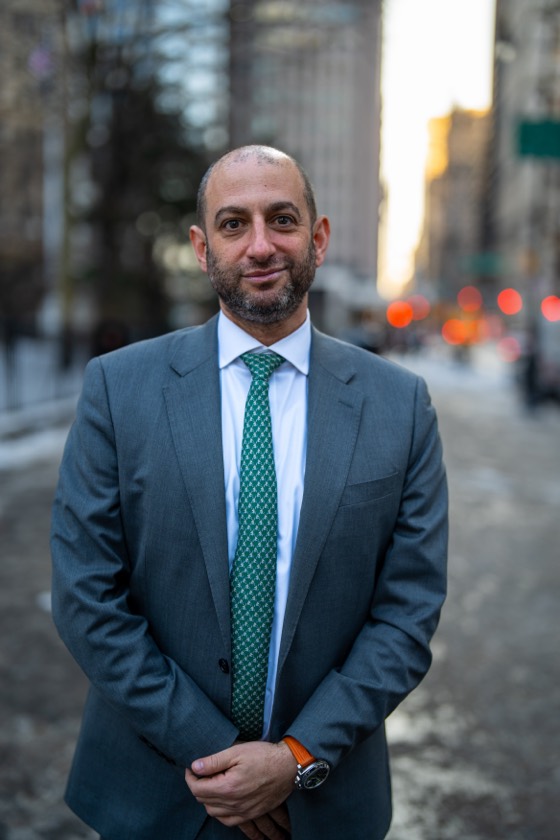
Todd A. Spodek, Managing Partner
FIG. - THE PRINCIPAL
THE LAWYER THE PRESS CALLS
You've seen the defense on Netflix. This is the firm behind it.

Todd A. Spodek is a second-generation trial lawyer whose defense of Anna Delvey became Netflix's Inventing Anna. He appears on Fox News and CNN as a legal analyst, authored "My Advice to Diddy" in The Spectator, and is quoted by the Associated Press when the biggest federal cases break. The record behind the profile: a complete acquittal in a $26M money-laundering trial, RICO charges carrying a 10-year minimum dismissed, and 6 months on a $12M Ponzi case.

Why this firm.

SPODEK LAW GROUP P.C. · EST. 1976
01
Second generation, since 1976

Thousands of clients across five decades. We have dealt with your issue before.

02
Loyalty to only you

No allegiance to prosecutors or judges. The client is the only constituency.

03
Nationwide, fully online

A complete client portal - documents, invoices, communications - coast to coast.

04
Selective by design

We only take clients we can truly help - and every accepted case gets the whole bench.

THE FIRM FILM · 00:45 · WHO WE ARE
ALL APPEARANCES →
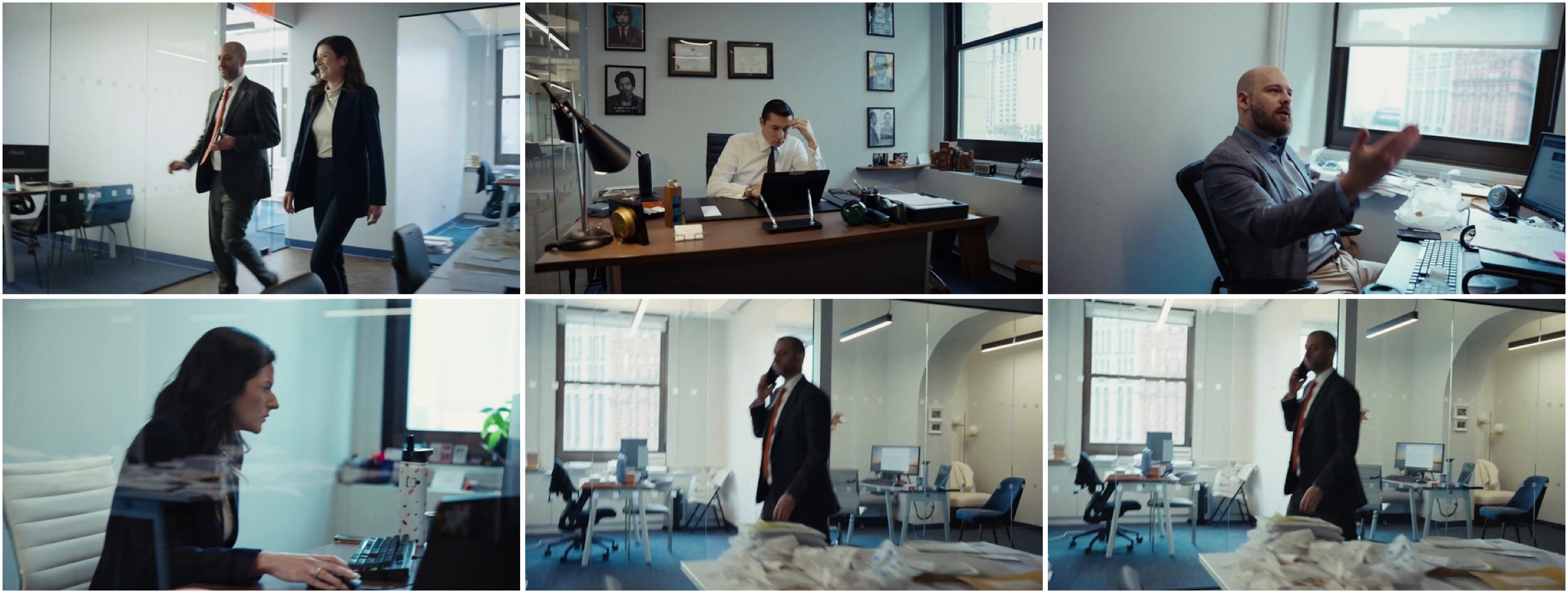
45 SECONDS INSIDE THE FIRM

See who fights for you before you ever call.

Who we are, how we work, and why clients nationwide trust us with their future - in under a minute.

The Spodek Law Group P.C. bench

The team on your case.

EVERY ACCEPTED CASE GETS THE WHOLE BENCH · 24/7
Meet the bench →
Todd A. Spodek
MANAGING PARTNER
Todd A. Spodek
The Netflix defense · Fox & CNN analyst
Ralph P. Franco, Jr.
ASSOCIATE ATTORNEY
Ralph P. Franco, Jr.
Court appearances · case strategy
Alex Zhik
ASSOCIATE ATTORNEY
Alex Zhik
Criminal defense · client strategy
Jeremy Feigenbaum, working the file
ASSOCIATE ATTORNEY
Jeremy Feigenbaum
Motions · investigations
Claire Banks
ASSOCIATE
Claire Banks
Federal motions · S.D.N.Y. & E.D.N.Y.
Joseph Alter
ASSOCIATE ATTORNEY
Joseph Alter
Trial practice · not guilty on all counts, 2025
RB
OF-COUNSEL
Rajesh Barua
Immigration · removal defense
CL
OF-COUNSEL
Chad Lewin
Los Angeles · 23+ years
50+ years combined
Second generation, since 1976. Selective by design - loyal to only you.
PUT THEM ON YOUR CASE →

How your case unfolds.

THE FULL PROCESS →
01 · TODAY
The consultation

Risk-free, in person or by phone. Ask anything, for as long as it takes. Strategy starts the same day.

02
Investigation & evidence

Witnesses, reports, footage, experts - building the record that pokes holes in theirs.

03
Motions, negotiation - or trial

Suppress, dismiss, negotiate from strength. And if trial is the advantage - we are unafraid.

★★★★★VERIFIED CLIENT · FEDERAL CASE · 2022 · VIA GOOGLE REVIEWS
"The best lawyer anyone could ask for. Todd changed our lives."
1,100+ FIVE-STAR GOOGLE REVIEWS →
FROM THE RECORD · S.D.N.Y. & BEYOND
Acquittal$26M money laundering
DismissedRICO - 10-year mandatory minimum
6 months$12M Ponzi - prosecutors asked for years
RISK FREE · CONFIDENTIAL · 24/7

Get ahead of the case.

Answered within 24 hours, guaranteed. Some stories are better told out loud -

212 300 5196
AFTER YOU REACH OUT
01A person answers - not a service. Day or night. 02Free, confidential consultation - ask us anything, regardless of how long it takes. 03Strategy starts the same day - and you hold the senior partner's cell number.
★★★★★1,100+ FIVE-STAR GOOGLE REVIEWS
READ THEM →
INTAKE · PRIVILEGED & CONFIDENTIAL
24/7
This field is for validation purposes and should be left unchanged.
01
02
03
04
05
EVERYTHING YOU SHARE IS PROTECTED BY ATTORNEY-CLIENT PRIVILEGE FROM THE FIRST WORD.