Attorney on call · 24/7 · Risk-free consultation
212 300 5196
SECTION B · PROCEDURAL STAGE · B33

How a complaint is actually withdrawn.

A complainant can ask. The coordinator decides. And where the institution wishes to continue, it can sign the complaint itself and proceed without a complainant party at all. The mechanics matter because respondents plan around an outcome that is not theirs to arrange.
THE PROCEDURAL RULE
Withdrawal is a written request from the complainant. Dismissal is discretionary. Both parties may appeal a dismissal, so even a granted withdrawal is not automatically final.
WHICH RULES GOVERN YOUR CASE The 2020 Title IX regulations. The 2024 rewrite was vacated and does not apply.
RULE TRACKER →
THE BRIEFING · WITHDRAWAL MECHANICS

Respondents hear that a complainant wants to withdraw and treat it as an ending. Procedurally it is a request that opens a discretionary decision, and the distinction has consequences.

Request, decision, notice.

The complainant notifies the coordinator in writing of a desire to withdraw the formal complaint or particular allegations within it. The coordinator may then dismiss - the rule is permissive. If dismissal follows, the institution must send written notice of the dismissal and the reasons for it simultaneously to both parties. That notice and its stated basis are documents worth obtaining, whichever way the decision goes.

Appeal, both ways.

Both parties may appeal a dismissal on the same grounds available for a determination. That means a granted withdrawal is not automatically the end of the matter, and it also means a refusal to dismiss is reviewable. Respondents rarely appeal a refusal, and where a withdrawal request was made and declined without adequate reasoning, that is a procedural argument worth preserving.

The coordinator-signed complaint.

Where an institution believes it must respond - because of a safety concern, other reports, or a pattern - it can sign a formal complaint itself. The process then continues with the coordinator as the party who initiated it, and the complainant is under no obligation to participate. The practical result for a respondent is a case built substantially on second-hand accounts and institutional records, which is harder in one sense and evidentially weaker in another.

Why your posture does not change.

Until a dismissal notice arrives, the matter is live. Preservation continues, the written record continues, and the hearing preparation continues. What must not change under any circumstances is the contact rule: this is the situation in which respondents most often reach out to thank or encourage a complainant, and that message is interference, documented, timestamped, and the count most likely to be sustained against you.

Why you should call us.

If you are scrolling through search results trying to find someone to defend you, your search is over. You have found Spodek Law Group P.C. - and we are not your average defense firm. We know a thing or two about defending the accused in campus cases - and in the criminal courts that run alongside them. Over 50 years of combined experience, some of the toughest cases in the country, and we have come out on top. We have seen it all, and we empathise with you. We understand how frightening this is, and we have a legal team who can fight and win.

Unlike other attorneys who care about their reputation with the administrators and the prosecutors, our only goal is getting you the best outcome. We owe loyalty to only you. Our lawyers listen to you, your fears, and your goals. We care about your story, and that is where the work begins - by understanding and listening to you.

On billing, we are transparent about our fees, and there are no surprises. Choosing a lawyer is a big deal and cost is a real issue, so we are committed to being your champion irrespective of your ability to pay. Our firm has a simple belief: lawyers should only take on clients whom they can truly help. Many firms are mills that take every case through the door. We do not.

Working with us starts with a risk-free consultation, in person or over the phone. You can ask us anything, for as long as it takes, and we encourage you to ask the tough questions. We are available 24/7, we practise coast to coast, and every client has direct access to a partner. Call 212 300 5196 - an attorney answers.
GENERAL INFORMATION, NOT LEGAL ADVICE. YOUR SCHOOL’S POLICY AND YOUR FACTS DECIDE EVERYTHING - AND THE CONSULTATION IS FREE. Skip reading - just call →
THE SEQUENCE
Six steps.
Each step has a document, and each document can be requested.
STEP 01
Written request
The complainant notifies the coordinator in writing that they wish to withdraw.
THE TRIGGER
STEP 02
Coordinator decision
Dismissal is permitted, not required. The institution weighs safety and pattern.
DISCRETION
STEP 03
Written notice
Any dismissal must be notified to both parties simultaneously, with the reason.
BOTH PARTIES
STEP 04
Appeal window
Either party may appeal the dismissal. It is not immediately final.
NOT THE END
STEP 05
Coordinator-signed complaint
The institution can sign its own complaint and continue.
CONTINUES
STEP 06
Conduct-code reroute
Even after Title IX dismissal, the general code may reach the same conduct.
SECOND PROCESS
Ask for the dismissal notice and its reasons in writing. Where a matter is dismissed, the notice and the stated basis are records. Where it is not dismissed despite a withdrawal request, that decision and its reasoning are equally worth having.
YOUR POSTURE THROUGHOUT
Four rules.
Unchanged by news of a withdrawal request, because the request is not a decision.
01Prepare as though it proceeds
Preservation, written record, cross-examination planning. Nothing pauses.
02Zero contact, especially now
The temptation peaks here and so does the retaliation exposure.
03Ask the status in writing
Whether a request was made and what the coordinator decided.
04Watch for the reroute
A Title IX dismissal is frequently followed by a conduct-code charge.
KEEP READING · THE TITLE IX SET
Where this page hands you off.
No page on this site is a dead end. These are the next questions people ask after this one, in the order they usually ask them.
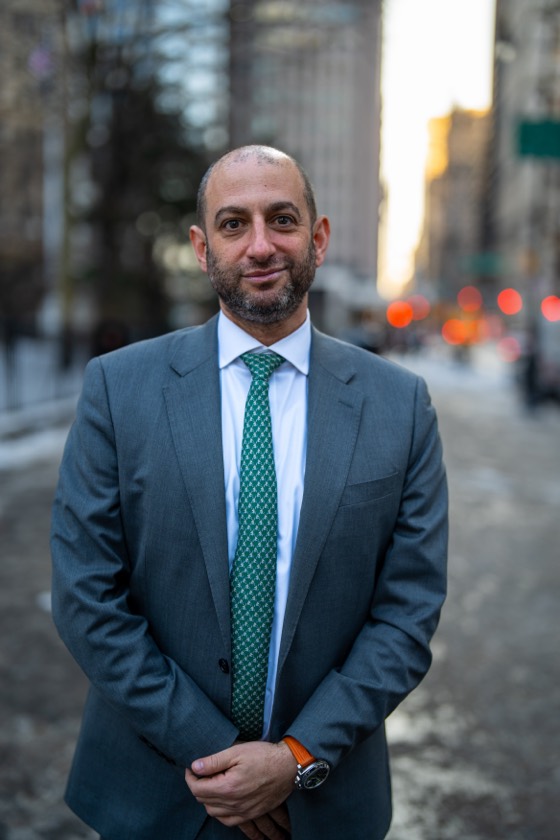
Todd A. Spodek, Managing Partner
FIG. - THE PRINCIPAL
THE LAWYER THE PRESS CALLS
You've seen the defense on Netflix. This is the firm behind it.

Todd A. Spodek is a second-generation trial lawyer whose defense of Anna Delvey became Netflix's Inventing Anna. He appears on Fox News and CNN as a legal analyst, authored "My Advice to Diddy" in The Spectator, and is quoted by the Associated Press when the biggest federal cases break. The record behind the profile: a complete acquittal in a $26M money-laundering trial, RICO charges carrying a 10-year minimum dismissed, and 6 months on a $12M Ponzi case.

Why this firm.

SPODEK LAW GROUP P.C. · EST. 1976
01
Second generation, since 1976

Thousands of clients across five decades. We have dealt with your issue before.

02
Loyalty to only you

No allegiance to prosecutors or judges. The client is the only constituency.

03
Nationwide, fully online

A complete client portal - documents, invoices, communications - coast to coast.

04
Selective by design

We only take clients we can truly help - and every accepted case gets the whole bench.

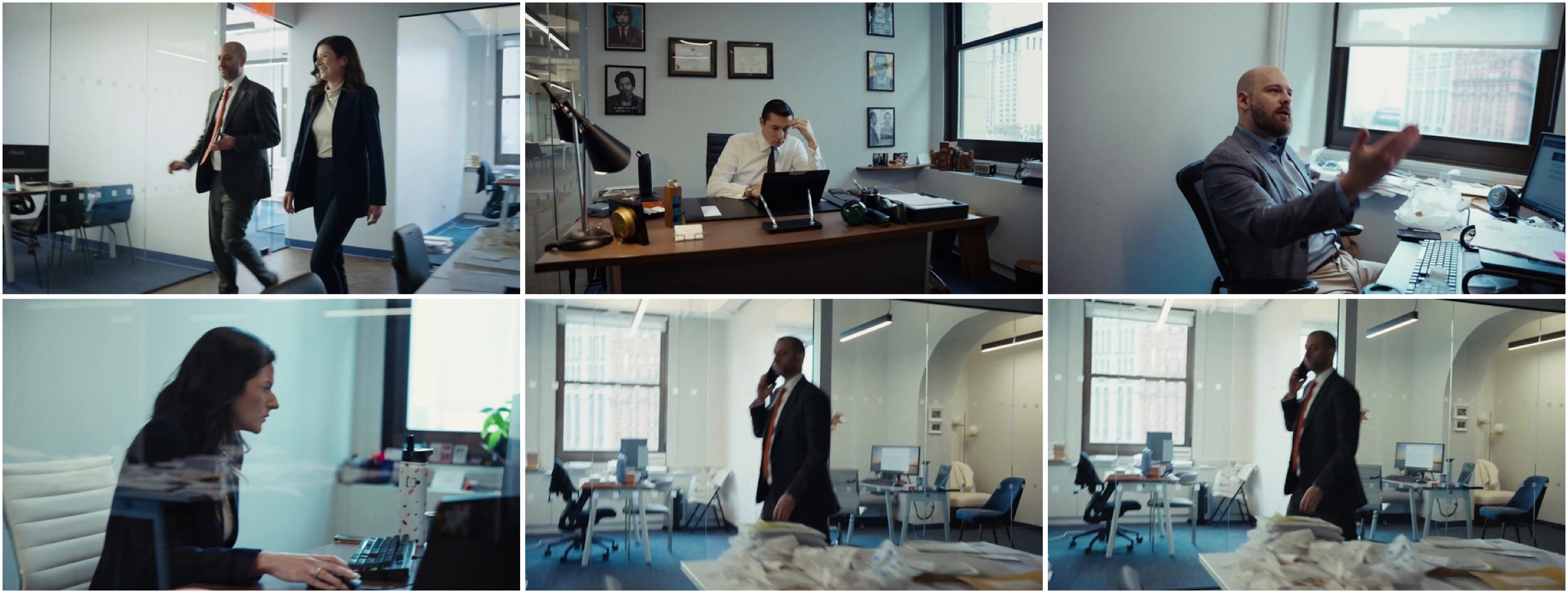
THE FIRM FILM · 00:45 · WHO WE ARE
ALL APPEARANCES →
45 SECONDS INSIDE THE FIRM

See who fights for you before you ever call.

Who we are, how we work, and why clients nationwide trust us with their future - in under a minute.

The Spodek Law Group P.C. bench

The team on your case.

EVERY ACCEPTED CASE GETS THE WHOLE BENCH · 24/7
Meet the bench →
Todd A. Spodek
MANAGING PARTNER
Todd A. Spodek
The Netflix defense · Fox & CNN analyst
Ralph P. Franco, Jr.
ASSOCIATE ATTORNEY
Ralph P. Franco, Jr.
Court appearances · case strategy
Alex Zhik
ASSOCIATE ATTORNEY
Alex Zhik
Criminal defense · client strategy
Jeremy Feigenbaum, working the file
ASSOCIATE ATTORNEY
Jeremy Feigenbaum
Motions · investigations
Claire Banks
ASSOCIATE
Claire Banks
Federal motions · S.D.N.Y. & E.D.N.Y.
Joseph Alter
ASSOCIATE ATTORNEY
Joseph Alter
Trial practice · not guilty on all counts, 2025
RB
OF-COUNSEL
Rajesh Barua
Immigration · removal defense
CL
OF-COUNSEL
Chad Lewin
Los Angeles · 23+ years
50+ years combined
Second generation, since 1976. Selective by design - loyal to only you.
PUT THEM ON YOUR CASE →

How your case unfolds.

THE FULL PROCESS →
01 · TODAY
The consultation

Risk-free, in person or by phone. Ask anything, for as long as it takes. Strategy starts the same day.

02
Investigation & evidence

Witnesses, reports, footage, experts - building the record that pokes holes in theirs.

03
Motions, negotiation - or trial

Suppress, dismiss, negotiate from strength. And if trial is the advantage - we are unafraid.

★★★★★VERIFIED CLIENT · FEDERAL CASE · 2022 · VIA GOOGLE REVIEWS
"The best lawyer anyone could ask for. Todd changed our lives."
1,100+ FIVE-STAR GOOGLE REVIEWS →
FROM THE RECORD · S.D.N.Y. & BEYOND
Acquittal$26M money laundering
DismissedRICO - 10-year mandatory minimum
6 months$12M Ponzi - prosecutors asked for years
RISK FREE · CONFIDENTIAL · 24/7

Get ahead of the case.

Answered within 24 hours, guaranteed. Some stories are better told out loud -

212 300 5196
AFTER YOU REACH OUT
01A person answers - not a service. Day or night. 02Free, confidential consultation - ask us anything, regardless of how long it takes. 03Strategy starts the same day - and you hold the senior partner's cell number.
★★★★★1,100+ FIVE-STAR GOOGLE REVIEWS
READ THEM →
INTAKE · PRIVILEGED & CONFIDENTIAL
24/7
This field is for validation purposes and should be left unchanged.
01
02
03
04
05
EVERYTHING YOU SHARE IS PROTECTED BY ATTORNEY-CLIENT PRIVILEGE FROM THE FIRST WORD.