Attorney on call · 24/7 · Risk-free consultation
212 300 5196
SECTION I · REGULATORY · I12

Erroneous outcome and selective enforcement, compared.

These are the two theories under which a respondent sues a school under Title IX itself. Both require sex bias, both are demanding, and they fail for different reasons - which is why choosing the right one, and pleading it with particularity, decides whether a case survives dismissal.
THE COMMON ELEMENT
Both require that sex was a motivating factor. Procedural unfairness alone is a due process or contract claim, not a Title IX claim.
WHICH RULES GOVERN YOUR CASE The 2020 Title IX regulations. The 2024 rewrite was vacated and does not apply.
RULE TRACKER →
THE BRIEFING · TITLE IX CLAIMS BY RESPONDENTS

Title IX is usually thought of as a complainant’s statute. It also supports claims by respondents who allege that a disciplinary outcome was driven by their sex - and two doctrinal frames have developed for those claims.

Erroneous outcome.

The theory is that the finding was factually wrong and that sex bias was a motivating factor in producing it. Courts examining these claims look first for evidence casting articulable doubt on the accuracy of the outcome - ignored exculpatory evidence, procedural failures, an investigation that never pursued obvious leads - and then for a causal link to sex. The first part is frequently established from the campus record. The second is where most claims fail.

Selective enforcement.

The theory is comparative: that the institution’s decision to pursue the matter, or the severity of the sanction imposed, was affected by the respondent’s sex. This requires comparators - a similarly situated party of another sex treated differently - which respondents rarely have access to, since other students’ disciplinary records are confidential. Where a comparator exists and is known, the claim is powerful.

Why particularity matters more than volume.

Generalised assertions about campus climate, statistics about the proportion of male respondents, or pointing to institutional pressure without connecting it to the case are routinely held insufficient. What survives dismissal is specific: a recorded statement, a training document containing a stereotype, a documented instance of asymmetric evidence-gathering, a public institutional commitment to particular outcomes. Each of those comes from the campus process, which is the practical reason to treat that process as the discovery phase of a lawsuit that may follow.

Why you should call us.

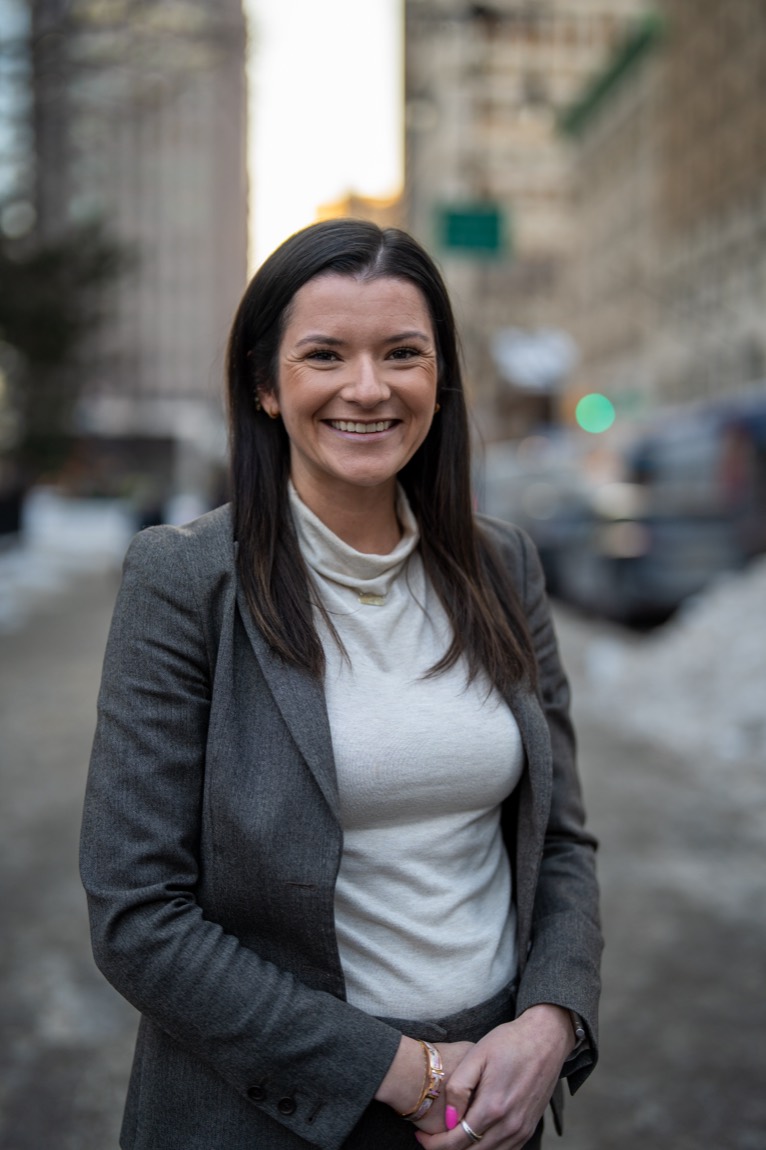
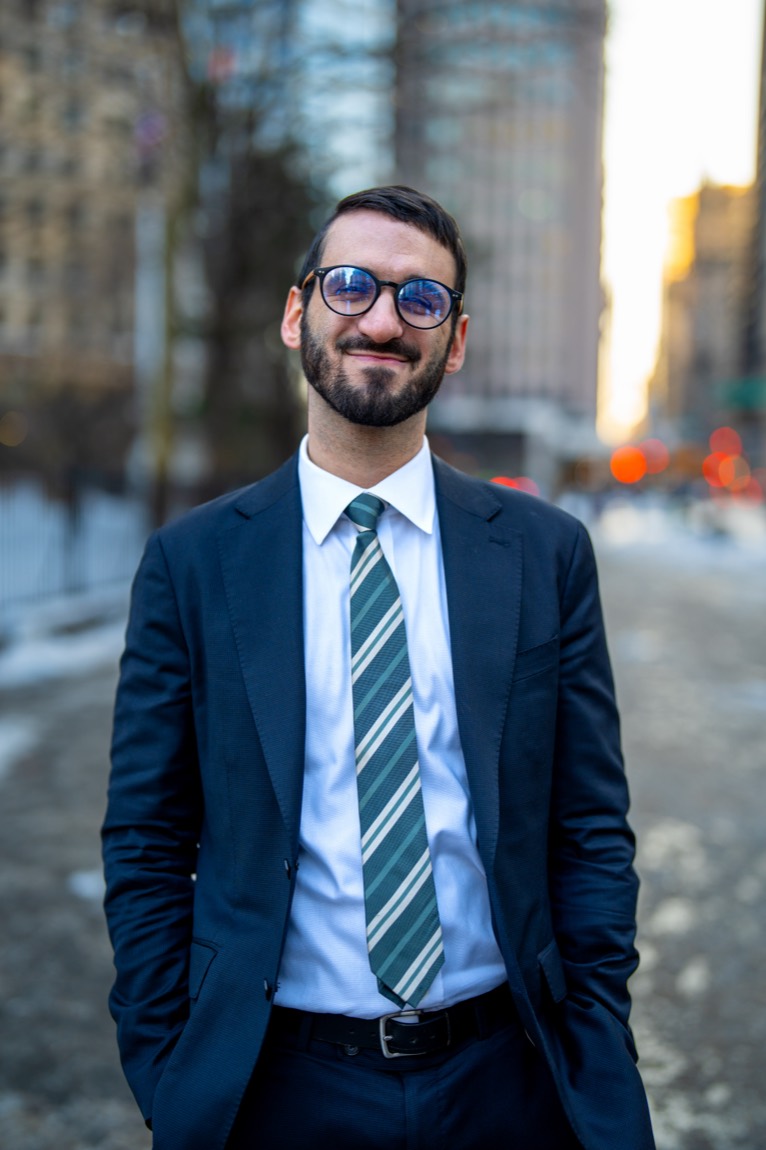
If you are scrolling through search results trying to find someone to defend you, your search is over. You have found Spodek Law Group P.C. - and we are not your average defense firm. We know a thing or two about defending the accused in campus cases - and in the criminal courts that run alongside them. Over 50 years of combined experience, some of the toughest cases in the country, and we have come out on top. We have seen it all, and we empathise with you. We understand how frightening this is, and we have a legal team who can fight and win.

Unlike other attorneys who care about their reputation with the administrators and the prosecutors, our only goal is getting you the best outcome. We owe loyalty to only you. Our lawyers listen to you, your fears, and your goals. We care about your story, and that is where the work begins - by understanding and listening to you.

On billing, we are transparent about our fees, and there are no surprises. Choosing a lawyer is a big deal and cost is a real issue, so we are committed to being your champion irrespective of your ability to pay. Our firm has a simple belief: lawyers should only take on clients whom they can truly help. Many firms are mills that take every case through the door. We do not.

Working with us starts with a risk-free consultation, in person or over the phone. You can ask us anything, for as long as it takes, and we encourage you to ask the tough questions. We are available 24/7, we practise coast to coast, and every client has direct access to a partner. Call 212 300 5196 - an attorney answers.
GENERAL INFORMATION, NOT LEGAL ADVICE. YOUR SCHOOL’S POLICY AND YOUR FACTS DECIDE EVERYTHING - AND THE CONSULTATION IS FREE. Skip reading - just call →
THE TWO THEORIES, SIDE BY SIDE
What each requires.
The distinction is what the bias evidence has to show: a wrong outcome driven by bias, or unequal treatment of comparable parties.
EO 01
Erroneous outcome
That the finding was wrong, and that sex bias was a motivating factor in reaching it.
TWO PARTS
EO 02
Articulable doubt
Evidence casting articulable doubt on the accuracy of the outcome - gaps, ignored evidence, procedural failures.
FIRST HURDLE
EO 03
Causal bias
Statements, patterns, external pressure, or training material connecting the outcome to sex.
THE HARD PART
SE 01
Selective enforcement
That the decision to pursue, or the severity imposed, was affected by the party’s sex.
COMPARATIVE
SE 02
Comparators required
A similarly situated party of another sex treated differently. Without one, the claim struggles.
THE EVIDENCE
BOTH
Particularity
Statistics and general climate assertions are rarely enough. Specifics survive dismissal.
PLEADING
Doe v. Purdue simplified this. The Seventh Circuit declined to require plaintiffs to fit their claims into one of these rigid categories, asking instead whether the alleged facts support a plausible inference that sex was a motivating factor. Where that approach applies, the pleading burden is materially lighter.
WHAT TO PRESERVE DURING THE CAMPUS CASE
Five sources of bias evidence.
None of this can be gathered after the fact. All of it comes from the campus process.
01Training materials
Publicly available by rule. Occasionally contain the stereotypes the regulation prohibits.
02Statements, verbatim
From investigators, coordinators, or decision-makers, with dates and context.
03Asymmetric treatment
Evidence collected for one party and not the other; accommodations granted unevenly.
04External pressure
Institutional communications, prior enforcement actions, or public commitments about outcomes.
05Comparators
Other matters, where known, with different outcomes on comparable facts.
KEEP READING · THE TITLE IX SET
Where this page hands you off.
No page on this site is a dead end. These are the next questions people ask after this one, in the order they usually ask them.
Todd A. Spodek, Managing Partner
FIG. - THE PRINCIPAL
THE LAWYER THE PRESS CALLS
You've seen the defense on Netflix. This is the firm behind it.

Todd A. Spodek is a second-generation trial lawyer whose defense of Anna Delvey became Netflix's Inventing Anna. He appears on Fox News and CNN as a legal analyst, authored "My Advice to Diddy" in The Spectator, and is quoted by the Associated Press when the biggest federal cases break. The record behind the profile: a complete acquittal in a $26M money-laundering trial, RICO charges carrying a 10-year minimum dismissed, and 6 months on a $12M Ponzi case.

Why this firm.

SPODEK LAW GROUP P.C. · EST. 1976
01
Second generation, since 1976

Thousands of clients across five decades. We have dealt with your issue before.

02
Loyalty to only you

No allegiance to prosecutors or judges. The client is the only constituency.

03
Nationwide, fully online

A complete client portal - documents, invoices, communications - coast to coast.

04
Selective by design

We only take clients we can truly help - and every accepted case gets the whole bench.

THE FIRM FILM · 00:45 · WHO WE ARE
ALL APPEARANCES →
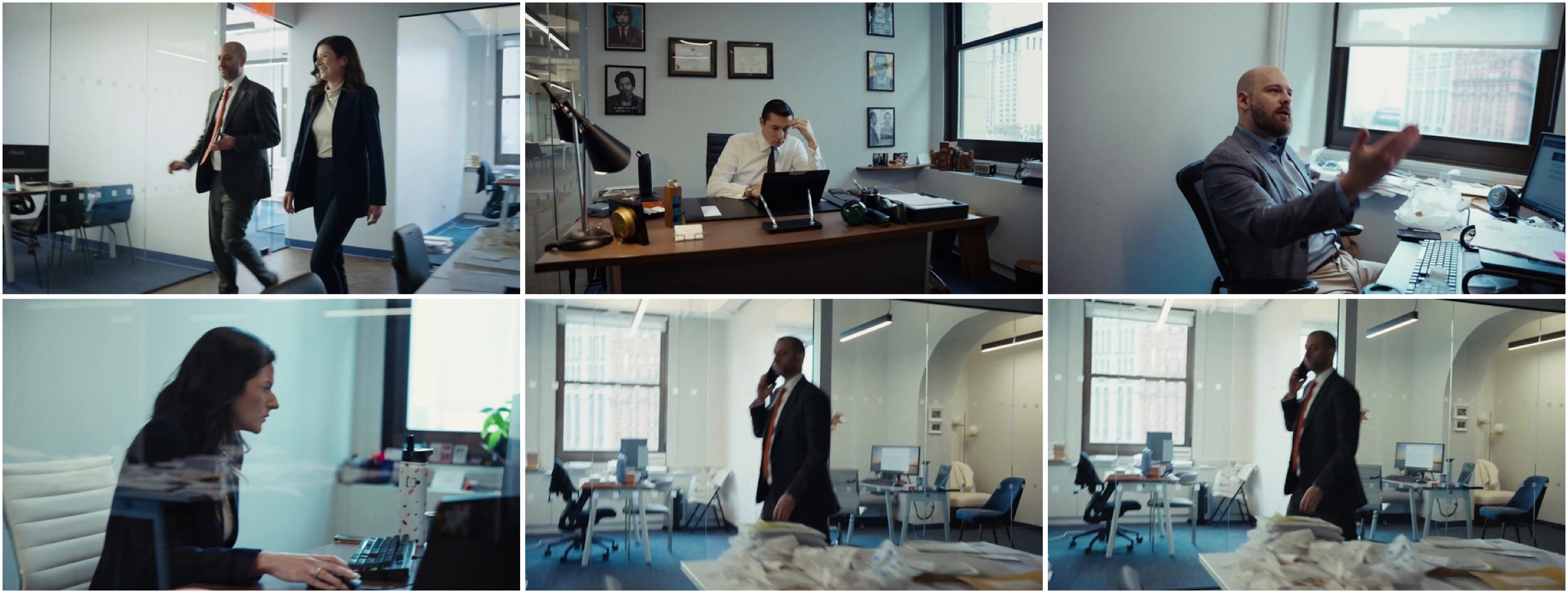
45 SECONDS INSIDE THE FIRM

See who fights for you before you ever call.

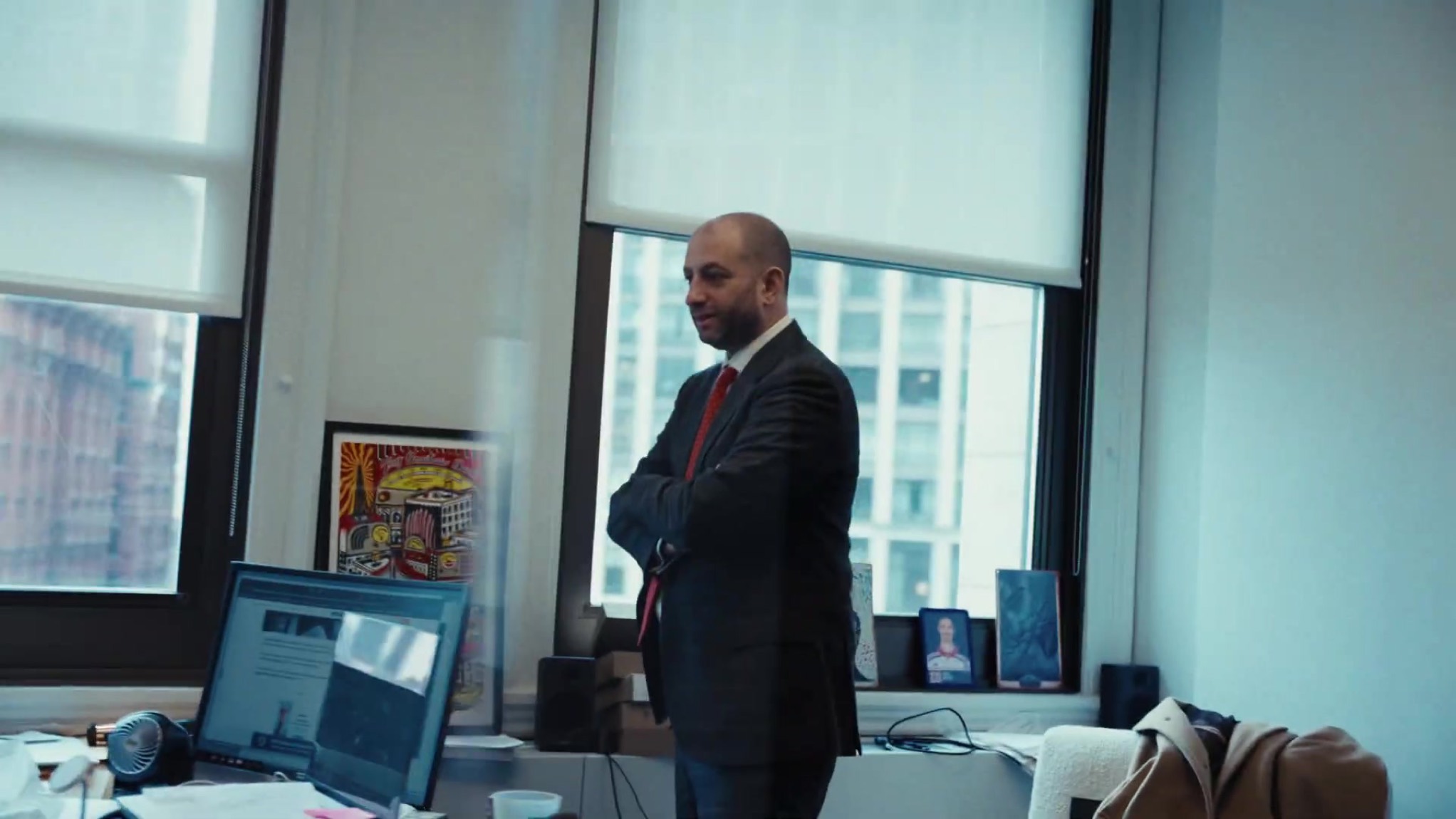
Who we are, how we work, and why clients nationwide trust us with their future - in under a minute.

The Spodek Law Group P.C. bench

The team on your case.

EVERY ACCEPTED CASE GETS THE WHOLE BENCH · 24/7
Meet the bench →
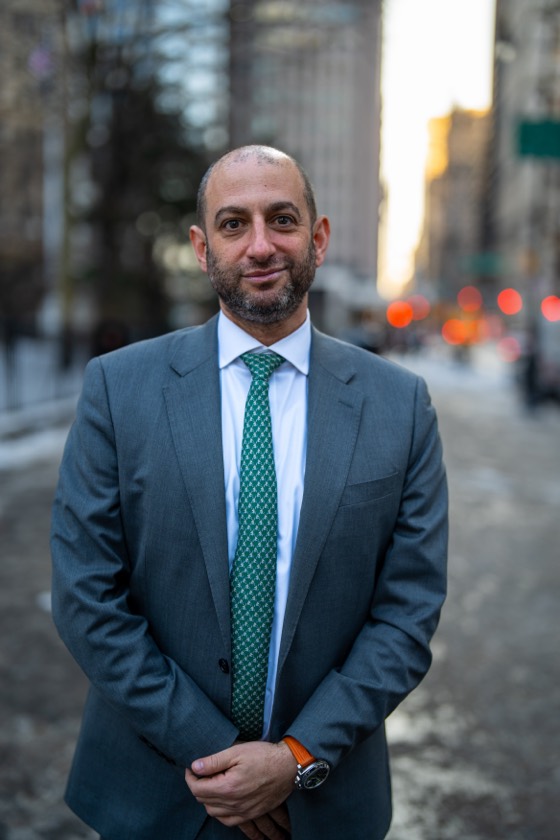
Todd A. Spodek
MANAGING PARTNER
Todd A. Spodek
The Netflix defense · Fox & CNN analyst
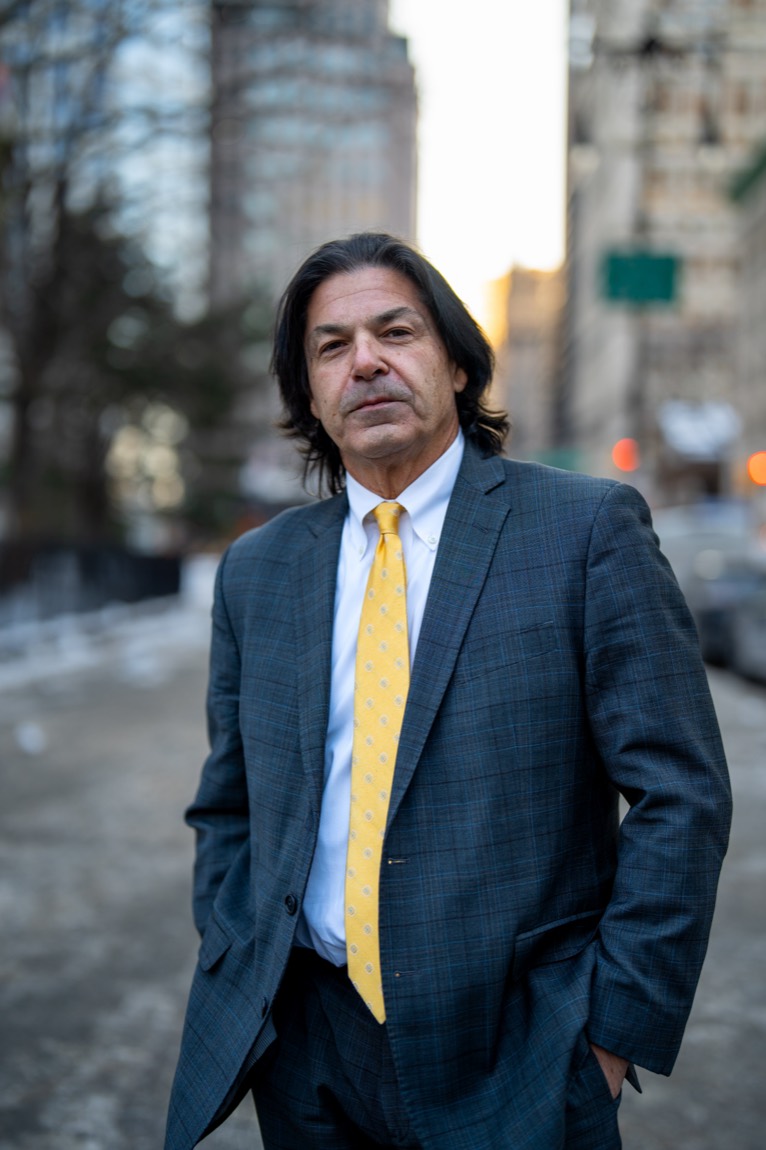
Ralph P. Franco, Jr.
ASSOCIATE ATTORNEY
Ralph P. Franco, Jr.
Court appearances · case strategy
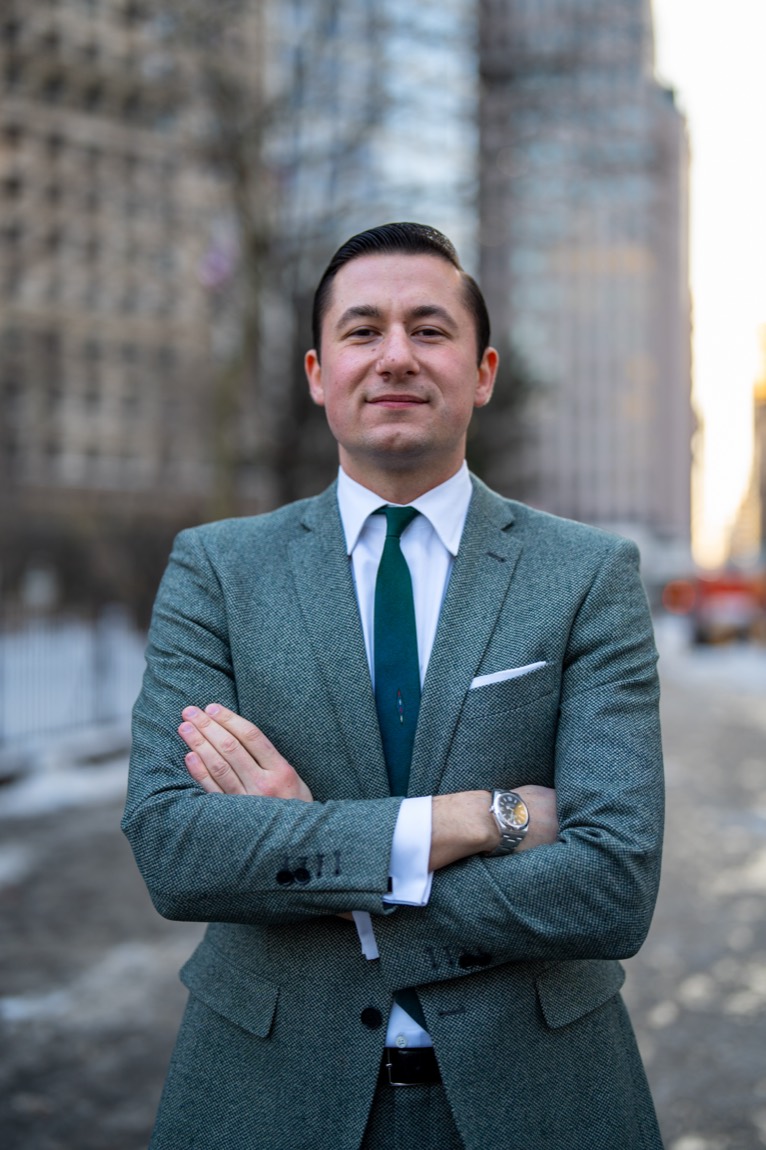
Alex Zhik
ASSOCIATE ATTORNEY
Alex Zhik
Criminal defense · client strategy
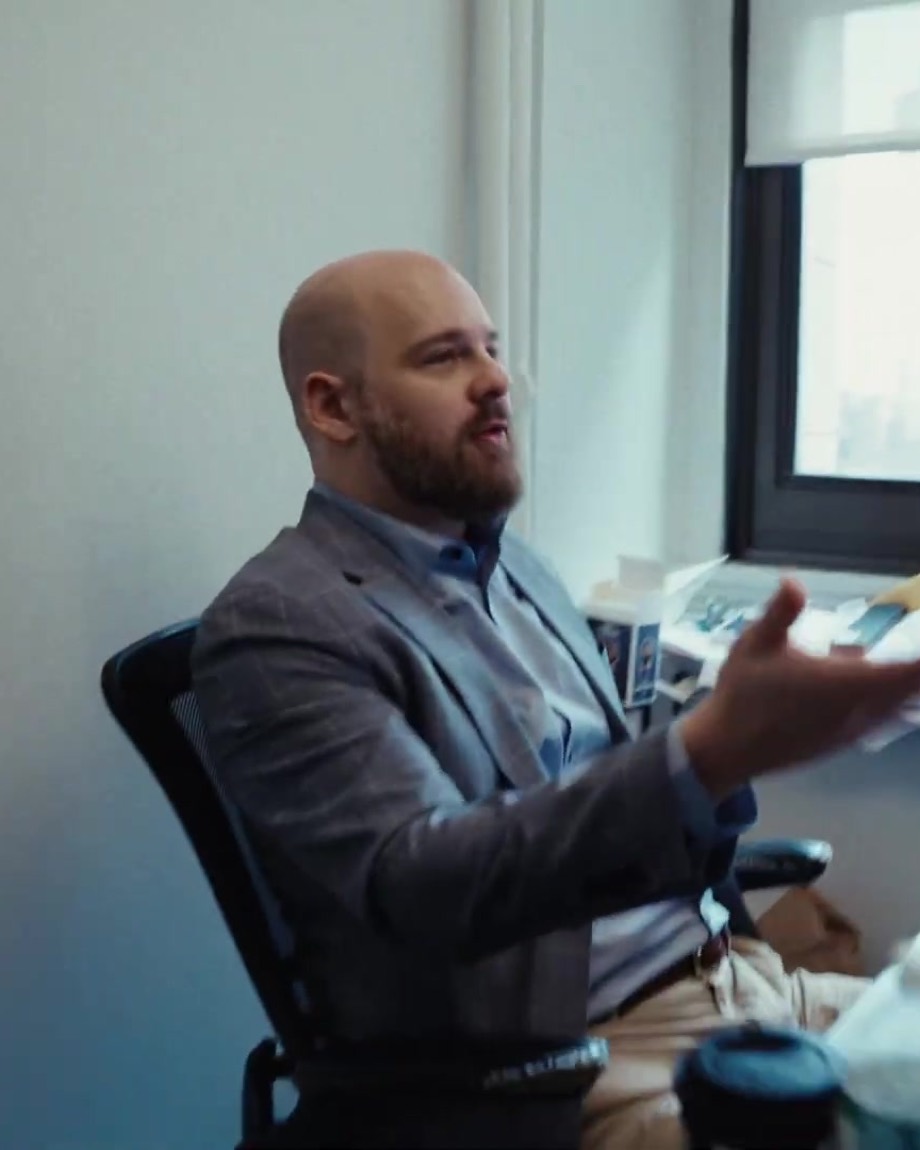
Jeremy Feigenbaum, working the file
ASSOCIATE ATTORNEY
Jeremy Feigenbaum
Motions · investigations
Claire Banks
ASSOCIATE
Claire Banks
Federal motions · S.D.N.Y. & E.D.N.Y.
Joseph Alter
ASSOCIATE ATTORNEY
Joseph Alter
Trial practice · not guilty on all counts, 2025
RB
OF-COUNSEL
Rajesh Barua
Immigration · removal defense
CL
OF-COUNSEL
Chad Lewin
Los Angeles · 23+ years
50+ years combined
Second generation, since 1976. Selective by design - loyal to only you.
PUT THEM ON YOUR CASE →

How your case unfolds.

THE FULL PROCESS →
01 · TODAY
The consultation

Risk-free, in person or by phone. Ask anything, for as long as it takes. Strategy starts the same day.

02
Investigation & evidence

Witnesses, reports, footage, experts - building the record that pokes holes in theirs.

03
Motions, negotiation - or trial

Suppress, dismiss, negotiate from strength. And if trial is the advantage - we are unafraid.

★★★★★VERIFIED CLIENT · FEDERAL CASE · 2022 · VIA GOOGLE REVIEWS
"The best lawyer anyone could ask for. Todd changed our lives."
1,100+ FIVE-STAR GOOGLE REVIEWS →
FROM THE RECORD · S.D.N.Y. & BEYOND
Acquittal$26M money laundering
DismissedRICO - 10-year mandatory minimum
6 months$12M Ponzi - prosecutors asked for years
RISK FREE · CONFIDENTIAL · 24/7

Get ahead of the case.

Answered within 24 hours, guaranteed. Some stories are better told out loud -

212 300 5196
AFTER YOU REACH OUT
01A person answers - not a service. Day or night. 02Free, confidential consultation - ask us anything, regardless of how long it takes. 03Strategy starts the same day - and you hold the senior partner's cell number.
★★★★★1,100+ FIVE-STAR GOOGLE REVIEWS
READ THEM →
INTAKE · PRIVILEGED & CONFIDENTIAL
24/7
This field is for validation purposes and should be left unchanged.
01
02
03
04
05
EVERYTHING YOU SHARE IS PROTECTED BY ATTORNEY-CLIENT PRIVILEGE FROM THE FIRST WORD.