Attorney on call · 24/7 · Risk-free consultation
212 300 5196
CANADA EXTRADITION · PROCESS · WAIVING · WHAT HAPPENS NEXT

Canada will not surrender you on a phone call - your lawyer should not either.

US-Canada extradition runs through ministerial review and judicial hearings. Charter rights still matter. Spodek Law Group P.C. fights extradition from Vancouver to Halifax - and every US district that follows.

CANADA PROCESS WAIVE OR FIGHT WHAT HAPPENS NEXT FEDERAL DEFENSE →

AVAILABLE 24/7 · US & LOCAL COUNSEL COORDINATION

INTAKE · PRIVILEGED & CONFIDENTIAL
24/7
This field is for validation purposes and should be left unchanged.
01
02
03
04
05
★★★★★1,100+ FIVE-STAR GOOGLE REVIEWS
SUPER LAWYERS · 2020-2550+ YEARS · FEDERAL DEFENSE24/7 AVAILABILITY
NETFLIX · CNN · FOX NEWS · NY POST
50+
YEARS, COMBINED
32
COUNTRY PAGES
24/7
ATTORNEY ON CALL
THE BRIEFING · CANADA EXTRADITION

Canada will not put you on a plane because an American agent sounds urgent. The Extradition Act, 1999 controls the modern process - Authority to Proceed, a judicial committal hearing, then a Minister of Justice surrender decision. Provincial superior courts test the record of the case before anyone talks transport. Charter protections, including the Supreme Court of Canada framework from United States v. Burns on death-penalty exposure, still matter in serious packages. Canadian citizenship will not stop a qualifying request by itself. Spodek Law Group P.C. fights Canadian procedure while preparing the US indictment waiting after transport from Vancouver to Halifax corridors. Risk-free consultation. Call 212 300 5196 - attorney on call, 24/7.

ATP, then committal, then the Minister - miss a stage and you lose it.

Canadian extradition is sequenced. The Attorney General issues an Authority to Proceed. A judge then holds a committal hearing on whether the record of the case could justify committal under Canadian standards. Only after that does the Minister of Justice decide surrender, including Charter and humanitarian grounds. Argue evidence sufficiency to the wrong official and you burn leverage. We map which defects belong to the judge and which belong in Ministerial submissions.

No nationality bar - Canadian citizenship will not stop surrender.

Canada does not refuse extradition solely because you are a Canadian national. Citizenship comfort is one of the most expensive myths in northern border cases. Dual criminality, identity, abuse-of-process arguments, Charter rights, and Ministerial discretion remain the real battlefield. Fix your passport stories early so strategy focuses on the Extradition Act tools that actually move outcomes.

Record of the case is the evidence culture - attack summaries, not vibes.

Committal turns on the record of the case, not a full American jury trial in Vancouver or Toronto. That means US prosecutors lean on certified summaries and affidavits. Gaps, unreliable hearsay packaging, and overbroad conspiracy narratives can still fail Canadian judicial scrutiny when counsel force precision. We treat every page of that record as a fight document for both the Canadian court and later US specialty fights.

Charter and Burns still shape death-penalty and fairness fights.

United States v. Burns remains a landmark for when Canada faces capital exposure in a US request. Broader Charter arguments - delay, disclosure problems, mistreatment risk, and abuse of process - can feed both committal resistance and Ministerial refusal submissions. Many law firms are mills that push quick consent. We are selective because Canadian timelines reward real Charter work and parallel US defense preparation.

Consent to extradition ends the leverage Canadian law built for you.

Waiving or consenting to committal can collapse judicial review before Charter arguments or record defects get briefed. Soft interviews with RCMP, CBSA, or visiting US agents become federal exhibits. You need Canadian counsel fluent in superior-court practice and US counsel ready for EDNY, SDNY, DNJ, or border districts. Spodek Law Group P.C. coordinates both under one privilege umbrella.


GENERAL INFORMATION, NOT LEGAL ADVICE. YOUR FACTS DECIDE EVERYTHING - AND THE CONSULTATION IS RISK-FREE. Skip reading - just call →
THE PROCESS · CANADA

How US extradition from Canada actually works.

This is the Canadian sequence - not a generic overview. Regardless of how complicated your case is, understanding where you are in these eight phases helps you avoid signing away defenses before counsel arrives.

PHASE 01
01.

US indictment or charging decision targeting Canada

Federal prosecutors often build fraud and drug offenses theories in EDNY, SDNY, DNJ, and districts along the northern border before asking Canada to surrender you. That US case does not wait while you fight abroad.

PHASE 02
02.

Red notice, Interpol, or diplomatic contact in Canada

The US circulates notices or contacts Canadian authorities under the US-Canada Extradition Treaty (1971). A red notice is not surrender - but it can trigger arrest, travel blocks, or bank freezes while the formal request is prepared.

PHASE 03
03.

Provisional arrest in Canada

Many requests start with temporary custody at a border, hotel, or workplace. Canadian police read local rights - not US Miranda. This is when waiver paperwork and voluntary return offers appear.

PHASE 04
04.

Formal US extradition request filed

The United States submits charging documents through diplomatic channels. Canadian Minister of Justice and provincial superior courts checks whether the packet satisfies the US-Canada Extradition Treaty (1971) - dual criminality, specialty, identity, and probable cause under Canadian law.

PHASE 05
05.

Extradition hearing in Canada

This is the main fight abroad. Canadian counsel challenges the US request while our US team attacks the indictment in EDNY, SDNY, DNJ, and districts along the northern border. Hearings can take months. Bail rules depend on Canada law.

PHASE 06
06.

Executive or ministerial surrender decision

Even after a court orders committal, Canada may require final executive or ministerial approval. Human rights, specialty, and diplomatic pressure can still matter - unless you waived those challenges.

PHASE 07
07.

Transport from Canada to the United States

If surrender is approved or you waived extradition, US Marshals arrange transport. You land in federal custody - often in EDNY, SDNY, DNJ, and districts along the northern border where the fraud case was filed.

PHASE 08
08.

US arraignment and federal case

Detention hearing, discovery, motions, plea talks, or trial. Our only objective is dismissed or significantly diminished. If US counsel worked before transport from Canada, you are not starting from zero.

WAIVING EXTRADITION · CANADA

Pros and cons of waiving extradition from Canada.

Canada uses committal hearings and Minister of Justice surrender orders. Waiving extradition or consenting to committal without counsel skips Charter arguments and evidence sufficiency review in provincial superior courts. Unlike other law firms more focused on their relationship with prosecutors, we owe loyalty to only YOU - and we will tell you when fighting in Canada is better than waiving.

POSSIBLE PROS · CANADIAN
  • +Can accelerate return when bail in Canada is denied and delay is harming family in the US or NY
  • +Allows US counsel to time arraignment in EDNY or DNJ when a negotiated posture is already set
  • +Faster resolution when delay in Canada custody harms your family, business, or health
  • +US trial counsel in EDNY, SDNY, DNJ, and districts along the northern border can be fully in place before you leave Canada
  • +May support a cooperation or sentencing narrative if that is the agreed strategy with US counsel
SERIOUS CONS · CANADA
  • You forfeit committal challenges to weak US affidavits and overbroad fraud or drug theories
  • Ministerial surrender can move quickly once you waive - before US motions are filed
  • You give up Canadian court challenges at Canadian Minister of Justice and provincial superior courts - dual criminality, specialty, and human rights
  • Agents and prosecutors may treat waiver as weakness - not a guaranteed better deal
  • Statements before or during waiver in Canada are often used in the US case in EDNY, SDNY, DNJ, and districts along the northern border
DO NOT SIGN CANADA WAIVER PAPERWORK YET

What you sign in Canadian custody or a consular interview can lock in surrender and produce statements the US uses at trial. You can ask us anything in a risk-free consultation before you agree to anything.

212 300 5196 - Canada extradition counsel →
WHAT HAPPENS NEXT · CANADA

Three paths from Canada - and what each looks like.

Your next step depends on whether you are in custody in Canada, considering a waiver, or still free. The US case does not pause on any path.

IF YOU FIGHT IN CANADA
  1. 01Canadian counsel files challenges at Canadian Minister of Justice and provincial superior courts and requests bail where Canada law allows
  2. 02Committal hearings are scheduled - often weeks or months apart depending on Canada procedure
  3. 03US team builds parallel motions and discovery demands in EDNY, SDNY, DNJ, and districts along the northern border on the fraud case
  4. 04If a court orders surrender, executive or ministerial review and appeals may still follow in Canada
  5. 05If extradition is denied or stayed, prepare for a refiled US request or travel restrictions
IF YOU WAIVE FROM CANADA
  1. 01Surrender is scheduled - sometimes within days of signing waiver paperwork
  2. 02US Marshals transport you from Canada to federal custody in EDNY, SDNY, DNJ, and districts along the northern border
  3. 03Arraignment, detention hearing, and discovery deadlines hit quickly
  4. 04US motions should already be drafted - waiver does not pause the fraud prosecution
  5. 05Sentencing exposure depends on the US case - waiver alone rarely fixes it
IF YOU ARE STILL IN CANADA, NOT IN CUSTODY
  1. 01Retain counsel before police, consular officers, or US agents contact you in Canada
  2. 02Map red notices, border risk, and whether a US request is already in progress
  3. 03US counsel reviews indictment exposure in EDNY, SDNY, DNJ, and districts along the northern border before surrender is sought
  4. 04Do not travel assuming the case will wait - Canadian cooperation with the US can move fast
  5. 05Call 212 300 5196 - privilege starts from the first word, answered 24/7
Map your Canada case - free consultation REVIEW WAIVER PROS & CONS →
Red notice or arrest in Canada? Stop talking. Call before you sign waiver paperwork.
212 300 5196
CHARGE LEDGER · CANADA

How we fight US extradition from Canada.

01
Extradition Act 1999 sequence
Track ATP, committal, and Ministerial stages as separate pressure points
02
Record of the case sufficiency
Force precision into US summaries used for Canadian judicial committal
03
No nationality refusal ground
Drop citizenship myths and fight under Act and Charter tools instead
04
Charter and Burns assurances
Press death-penalty and fairness issues through judicial and Ministerial channels
05
Minister of Justice surrender
Build humanitarian and Charter submissions after committal findings
06
Consent and waiver traps
Refuse soft surrender scripts until Canadian and US counsel assess leverage together
DEEP DIVE · WE OWE LOYALTY TO ONLY YOU

How the Extradition Act, 1999 structures US requests.

The Act sets Authority to Proceed, judicial committal, and Ministerial surrender as linked stages. Treaty obligations still matter, but Canadian statute is the day-to-day playbook. Strategy that only cites the US-Canada treaty without Act procedure is incomplete advice.

What a committal hearing actually tests.

Judges ask whether the record of the case could support committal - not whether a US jury would convict. That distinction is why affidavit quality, dual criminality framing, and identity proof get so much attention. Weak summaries are a defense opening.

Ministerial surrender after court findings.

Even after committal, the Minister of Justice still decides surrender. Charter concerns, humanitarian factors, and assurances issues belong here. Silence after a tough hearing is how cases drift into transport without a Ministerial fight.

Risk-free consultation for Canada-US extradition.

We walk through ATP status, committal exposure, Ministerial issues, and the US charging theory in one conversation. You can ask us anything. Spodek Law Group P.C. puts fees in writing before you commit. Call 212 300 5196 - 24/7.

Related extradition jurisdictions.

ALL COUNTRIES →
Americas
Mexico
Americas
Colombia
Americas
Brazil
Americas
Argentina
RISK FREE · CONFIDENTIAL · 24/7

Tell us what happened in Canada.

You have seen the defense on Netflix. Now it is your turn. Senior partners review every intake - not a call center. Answered within 24 hours, guaranteed.

212 300 5196
INTAKE · PRIVILEGED & CONFIDENTIAL
24/7
This field is for validation purposes and should be left unchanged.
01
02
03
04
05
EVERYTHING YOU SHARE IS PROTECTED BY ATTORNEY-CLIENT PRIVILEGE FROM THE FIRST WORD.
HOW WE HANDLE YOUR CASE · CANADA

What Spodek Law Group P.C. does in your Canada extradition.

01 · TODAY
Risk-free consultation

Call 212 300 5196 or submit the form. A person answers - not a service. Day or night. Map red notices, local arrest, or US contact. Privilege starts from the first word - answered within 24 hours, guaranteed.

02 · DAYS 1-7
Local counsel + US strategy

Retain or coordinate Canada counsel for surrender hearings. Our US team reviews the indictment, target letter, or draft charges. Stop voluntary statements and waivers before they harden into surrender.

03 · WEEKS 2-12
Treaty and evidentiary fight

Challenge dual criminality, specialty, probable cause, and human rights. Parallel US motions and plea discussions when strategically sound. We prepare every file for trial even when we are negotiating.

04 · SURRENDER OR RESOLUTION
Trial-ready either way

If extradition is denied or stayed, protect against refiled requests. If you return to the US, trial preparation is already underway - not starting at the airport. You choose the path; we have prepared for every outcome.

Start with the risk-free consultation 212 300 5196 →
PRESS LEDGER

In the news.

FULL NEWSROOM →
JUL 2026MPB News · Hinds County jail - Todd Spodek: gang motive doesn’t explain how an attack was allowed in custody MAY 2026OK Magazine · Britney Spears DUI - Todd Spodek on first-time DUI outcomes and damage control JUN 2026OK Magazine · Diddy - Todd Spodek on what prosecutor “under review” really means 2022Netflix · Inventing Anna - Todd Spodek’s defense dramatized as #1 most watched series PRESSNew York Post · CNN · Fox News - Featured analyst on federal and state criminal cases 2025Not guilty on all counts - Trial verdict, Joseph Alter lead counsel
OK MAGAZINE NEW YORK POST CNN FOX NEWS NETFLIX NEWSWEEK

“We owe loyalty to only you - not prosecutors in Canada, not the US Attorney’s Office, not anyone building a file against you.”

SPODEK LAW GROUP P.C. · US-CANADA EXTRADITION TREATY (1971)

Todd A. Spodek
MANAGING PARTNER · CANADA EXTRADITION

You’ve seen Inventing Anna. Bring that preparation to Canada extradition.

Todd Spodek is managing partner at Spodek Law Group P.C. The firm handles international extradition defense the same way it handles high-stakes federal trial work - local counsel abroad, US strategy at home, and loyalty only to you. Client identities in active extradition matters stay confidential.

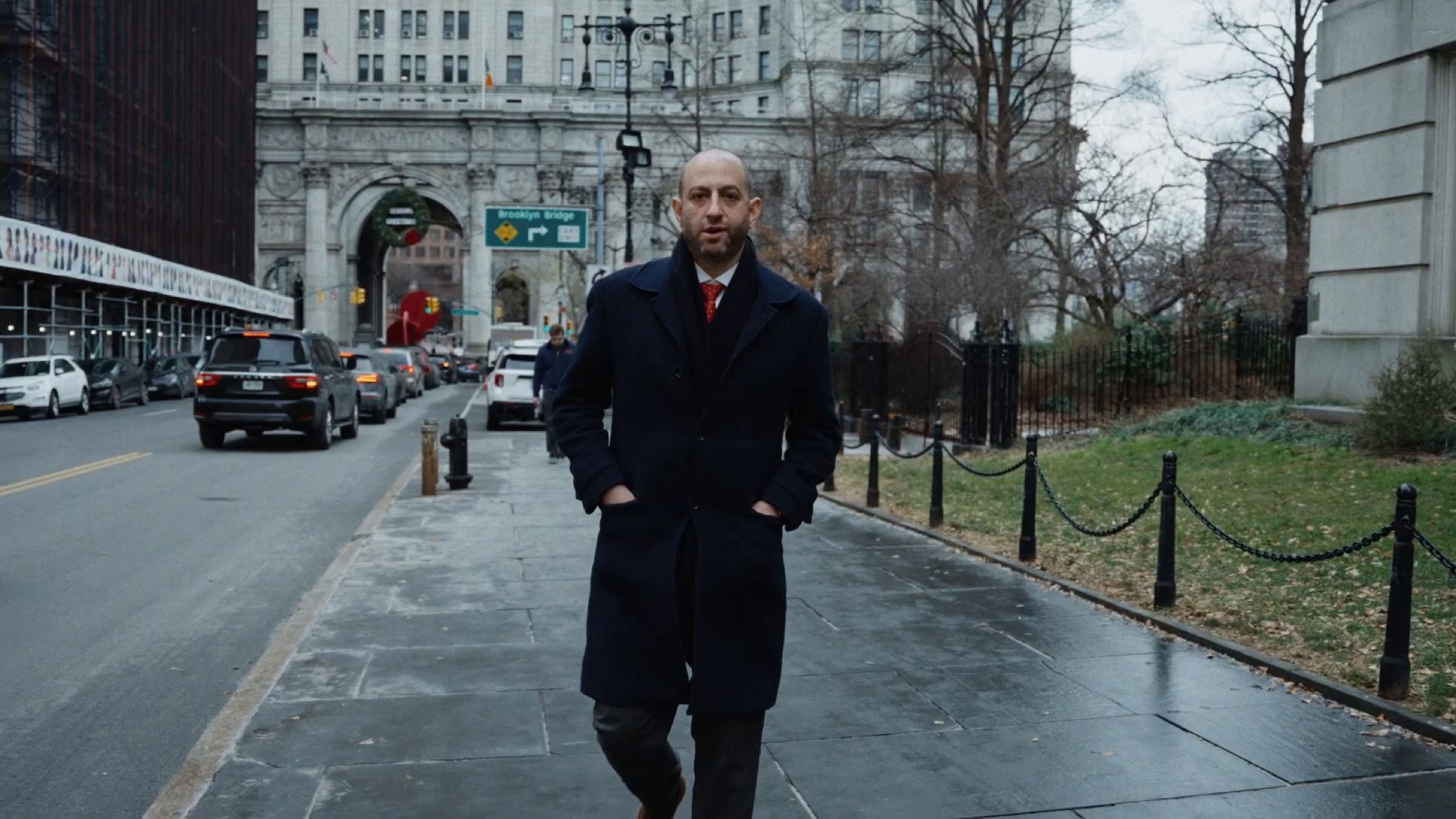
Inside Spodek Law Group P.C. - the firm film
45 SECONDS INSIDE THE FIRM

See who fights for you before you call.

Who we are, how we work, and why clients nationwide trust us with their future - in under a minute.

SELLING POINTS

Many law firms are mills. We are not.

Typical firm: junior associate · voicemail after hours · quick plea push · more focused on their relationship with prosecutors and judges than on you.
Spodek Law Group P.C.: senior partners · white-glove service · trial-ready in NJ Superior, municipal, and DNJ · we owe loyalty to only YOU · 1,100+ reviews.

The team on your case.

Todd Spodek
MANAGING PARTNER
Todd A. Spodek
Ralph Franco
Ralph P. Franco, Jr.
Alex Zhik
Alex Zhik
Jeremy Feigenbaum
Jeremy Feigenbaum
Claire Banks
Claire Banks
Joseph Alter
Joseph Alter
GOOGLE REVIEWS

1,100+ five-star reviews.

“Todd personally handled my case and was available 24/7. Impressive strategic approach.”

“They took care of me as if I was their own family. Always got back quickly.”

“By the time our free consultation was over, we left at ease. Todd changed our lives.”

READ ALL REVIEWS →
CLIENT VOICES

What clients say.

“Todd changed our lives.”
“Available 24/7 when it mattered most.”
“Professional and got the job done.”
SECOND OPINION · RISK FREE

Already have a lawyer abroad? Get a risk-free second opinion.

If your extradition case feels stalled, you are being pushed to waive, or your US defense is not talking to foreign counsel - talk to us before the next hearing. You can ask us anything you want.

Request a risk-free second opinion
FAQ

Questions about Canada extradition - ask us anything.

When you reach out to our law firm, you start with an initial risk-free consultation. You can ask us anything you want - regardless of how long it takes.

How does extradition from Canada to the US work? 01

The US-Canada Extradition Treaty (1971) governs the request. Canadian Minister of Justice and provincial superior courts reviews dual criminality, specialty, and probable cause before surrender. In parallel, a federal case in EDNY, SDNY, DNJ, and districts along the northern border moves forward unless US counsel intervenes.

Should I waive extradition from Canada? 02

Not without Canadian and US counsel reviewing your facts. Waiver can speed return when US defense is ready and surrender is likely. It can also destroy treaty challenges and produce statements used in EDNY, SDNY, DNJ, and districts along the northern border.

What happens after I am surrendered from Canada? 03

You are transported to federal custody, arraigned, and face detention and discovery in EDNY, SDNY, DNJ, and districts along the northern border. If US lawyers were retained early, strategy is already underway. If you waived first, you may arrive with no plan.

Can Canada refuse extradition because I am a Canadian citizen? 04

No. Nationality alone is not a refusal ground. Defenses turn on the Extradition Act process, the record of the case, dual criminality, Charter rights, and Ministerial discretion.

What is an Authority to Proceed in Canadian extradition? 05

An ATP is the Attorney General authorization that lets the extradition case move forward in Canadian courts. Without understanding whether an ATP has issued and what offenses it covers, you cannot map the remainder of the fight.

What is the record of the case? 06

It is the certified package of summaries and materials Canada uses at the committal stage instead of a full foreign trial. Attacking reliability, completeness, and dual-criminality framing inside that record is often the core judicial fight.

How does United States v. Burns affect US extradition from Canada? 07

Burns is the leading Supreme Court of Canada guidance on death-penalty-related extradition concerns. When capital exposure is present, assurances and Charter analysis become central. Even without capital exposure, Burns signals how seriously Canada treats fairness in surrender decisions.

Should I consent to extradition to move things faster? 08

Usually not without counsel assessing leverage. Consent can waive judicial review and accelerate Ministerial surrender before US motions exist. Speed without strategy often just accelerates arraignment.

Is the first consultation with Spodek Law Group P.C. risk-free? 09

Yes. Initial consultation is risk-free. You can ask us anything about Canadian process and US exposure. Call 212 300 5196 - attorney on call, 24/7.

YOUR QUESTION ISN’T HERE? ASK US ANYTHING - IT’S RISK-FREE →

Three ways to start.

NOWCall 212 300 5196ONLINERequest consultationIN PERSONVisit an office
WE OWE LOYALTY TO ONLY YOU

The next call on Canada extradition matters more than the last one.

Request a free consultation 212 300 5196
INTERNATIONAL COVERAGE · 32 COUNTRIES

Country-specific extradition defense.

Our attorneys handle cases nationwide and coordinate counsel abroad. Regardless of how complicated your case is, we can help you get the outcome you need.

Mexico
US-Mexico Extradition Treaty (1978)
Canada
US-Canada Extradition Treaty (1971)
United Kingdom
US-UK Extradition Treaty (2003)
Germany
US-Germany Extradition Treaty (1978)
France
US-France Extradition Treaty (1909, as amended)
Italy
US-Italy Extradition Treaty (1984)
South Korea
US-South Korea Extradition Treaty (1999)
Philippines
US-Philippines Extradition Treaty (1979)
India
US-India Extradition Treaty (1997)
Israel
US-Israel Extradition Treaty (1962)
Greece
US-Greece Extradition Treaty (1931, as amended)
Colombia
US-Colombia Extradition Treaty (1979)
Ecuador
US-Ecuador Extradition Treaty (1872, as updated)
Peru
US-Peru Extradition Treaty (1899, as updated)
Poland
US-Poland Extradition Treaty (1929, as updated)
Dominican Republic
US-Dominican Republic Extradition Treaty (1909, as updated)
Guatemala
US-Guatemala Extradition Treaty (1903, as updated)
Honduras
US-Honduras Extradition Treaty (1912, as updated)
El Salvador
US-El Salvador Extradition Treaty (1911, as updated)
Brazil
US-Brazil Extradition Treaty (1961)
Argentina
US-Argentina Extradition Treaty (1997)
Chile
US-Chile Extradition Treaty (1902, as updated)
Spain
US-Spain Extradition Treaty (1970)
Netherlands
US-Netherlands Extradition Treaty (1904, as updated)
Switzerland
US-Switzerland Extradition Treaty (1997)
Turkey
US-Turkey Extradition Treaty (1979)
Romania
US-Romania Extradition Treaty (1924, as updated)
Lithuania
US-Lithuania Extradition Treaty (1924, as updated)
Albania
US-Albania Extradition Treaty (1933, as updated)
Bosnia and Herzegovina
US-Bosnia Extradition Treaty (1902, as updated)
Croatia
US-Croatia Extradition Treaty (1902, as updated)
Serbia
US-Serbia Extradition Treaty (1902, as updated)
INTERNATIONAL EXTRADITION HUB →
RISK FREE · CONFIDENTIAL

Talk to us first.

Please fill out the form to receive a risk-free consultation - we will respond to your inquiry within 24 hours, guaranteed. International extradition cases are time-sensitive. Everything you share is protected by attorney-client privilege from the first word.

212 300 5196 - attorney on call →
INTAKE · PRIVILEGED & CONFIDENTIAL
24/7
This field is for validation purposes and should be left unchanged.
01
02
03
04
05
EVERYTHING YOU SHARE IS PROTECTED BY ATTORNEY-CLIENT PRIVILEGE FROM THE FIRST WORD.