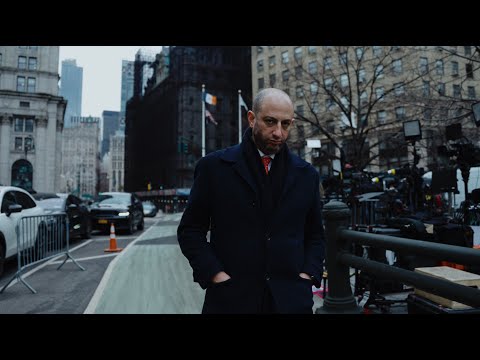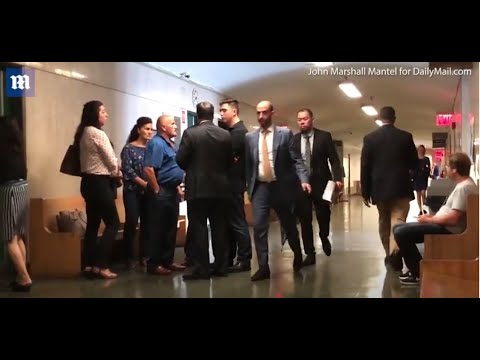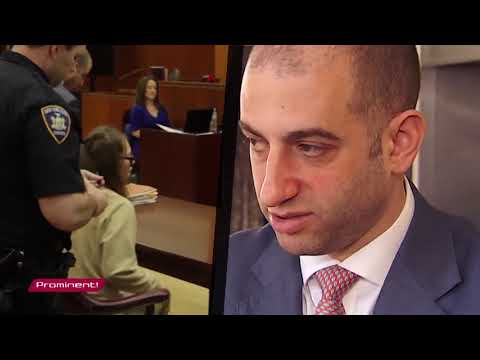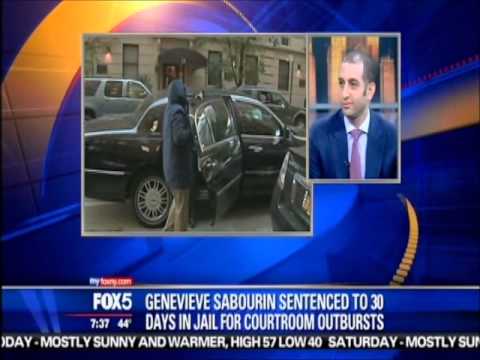
A white collar investigation in Queens often reaches you before any charge does, through a subpoena, a detective's phone call or an employer asking you to explain some transactions, and by that point someone has already been reviewing records. The Queens District Attorney's Investigations Division houses a Financial Frauds Bureau and a Housing, Worker and Consumer Protection Bureau, and because Queens sits inside the Eastern District of New York, the same conduct can also draw federal attention. Spodek Law Group P.C. defends both kinds of case, and Netflix dramatized Todd A. Spodek's defense of Anna Delvey in Inventing Anna.
Inside the Queens DA Financial Frauds Bureau.
The Financial Frauds Bureau covers investment scams, government fraud, identity theft, bank and credit card fraud, tax fraud, elder fraud and cybercrime, and it works through specialized units that include the Crimes Against Revenue Unit, the Elder Fraud Unit and the Cyber Crime Unit, which takes on account hacking, SIM swaps, dark web activity and cryptocurrency. Cases from those units are built out of bank records, account data and device contents, so the defense work has to be just as documentary. We get the records, rebuild the timeline ourselves and look for the gaps between what the transactions show and what the complaint says you intended, because intent is usually where a paper case is weakest.
Deed fraud, construction fraud and wage theft prosecutions.
Deed fraud and mortgage fraud belong to a different part of the office, the Housing, Worker and Consumer Protection Bureau, which also prosecutes construction fraud, wage theft, workplace safety violations and price gouging and so reaches contractors, property owners, landlords and small employers across the borough. Cases like these often begin as business disputes, such as a job that ran over budget or a disagreement with a former worker about pay, and they turn criminal when a prosecutor concludes that money moved with an intent to deceive. That line between a broken agreement and a crime is where we spend most of our effort, working from the paperwork and messages that show what you believed at the time.
Identity theft, forgery and insurance fraud grades.
Identity theft in the third degree is a class A misdemeanor under Penal Law 190.78, rising to a class E felony in the second degree under 190.79 and a class D felony in the first degree under 190.80. Scheme to defraud in the second degree is a class A misdemeanor under Penal Law 190.60, and in the first degree it is a class E felony under 190.65. Forgery in the second degree is a class D felony under Penal Law 170.10, and insurance fraud runs from a class D felony in the third degree under Penal Law 176.20 to a class B felony in the first degree under Penal Law 176.30. Prosecutors can combine these counts with grand larceny, so an indictment may read far worse than the conduct underneath it.